
Top 10 Solar Companies in Dubai for Sustainable Energy Solutions
Introduction: Why Choosing the Right Solar Company in Dubai Is a High-Stakes Decision
Dubai’s solar energy market sits at the intersection of policy, climate science, infrastructure engineering, and financial ROI. Dubai records average solar irradiance exceeding 2,100 kWh/m² annually, placing it among the most solar-rich cities globally. The UAE Energy Strategy 2050 targets 50% clean energy, with rooftop and commercial solar playing a critical role in reducing grid dependency and carbon intensity.
For businesses and homeowners, however, the decision is rarely simple. Selecting among the top 10 solar companies in Dubai involves more than comparing panel brands or headline pricing. The decision affects 25+ years of electricity output, DEWA compliance, system degradation in desert conditions, and financial payback timelines.
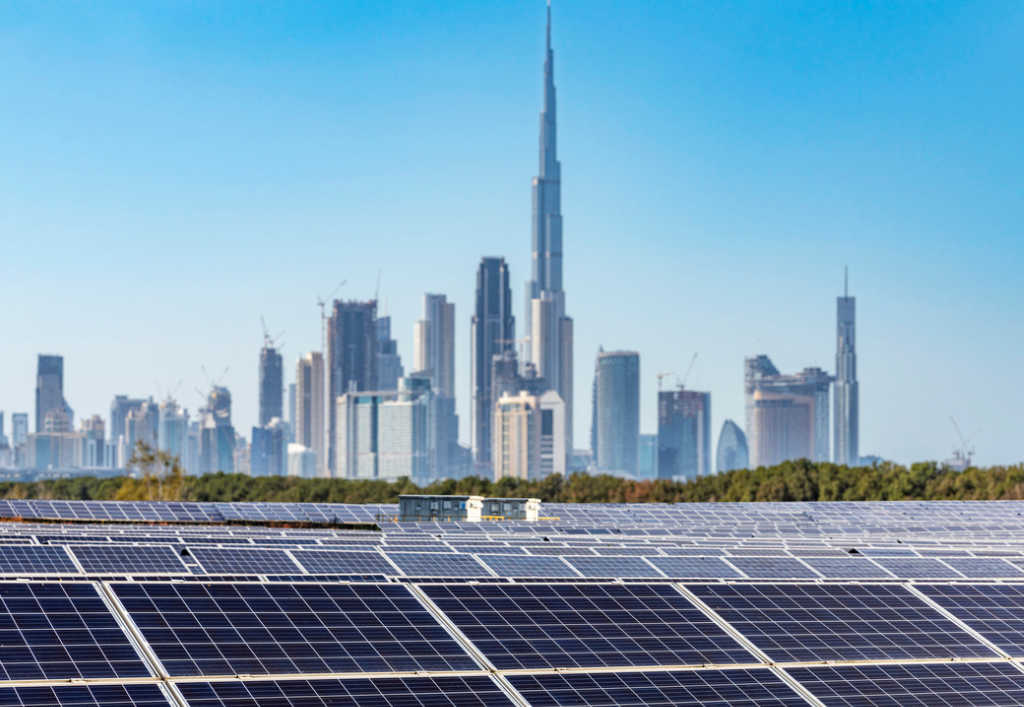
Many buyers fear hidden costs, underperforming systems, or installers who disappear after commissioning. Others struggle to differentiate between true EPC contractors and resellers outsourcing critical engineering work. This article exists to solve that problem with methodology, data, and context—not marketing claims.
Top 10 Solar Companies in Dubai (Expert-Level Breakdown)
1. SirajPower
Best Overall for Large Commercial & Utility-Scale Solar
Core Strength
SirajPower is one of the most dominant solar EPC companies in Dubai for large-scale commercial and industrial projects. Their strength lies in end-to-end ownership of engineering, procurement, construction, and long-term operations.
What Sets Them Apart
- Strong presence in warehouses, logistics parks, and industrial zones
- Deep expertise in power purchase agreements (PPAs) and capex-free solar
- Advanced performance monitoring and long-term O&M contracts
Best Fit For
- Factories and industrial facilities
- Large warehouses and distribution centers
- Businesses seeking zero upfront investment models
Limitations
- Less focused on small residential or villa-scale projects
2. Yellow Door Energy
Best for
Regional Commercial & Industrial Portfolios
Yellow Door Energy specializes in commercial and industrial rooftop solar across the GCC, with Dubai as a core market. Their strength lies in portfolio-level solar deployment for companies operating multiple sites.
Key Strengths
- Ideal for retail chains, logistics operators, and regional businesses
- Strong O&M and performance reporting
- Experience with ESG-driven energy reporting
Limitations
- Not suited for one-off villa installations
- Standardized designs may limit customization
Expert Insight
This is a strong choice when corporate sustainability reporting and consistency across assets matter more than bespoke system design.
3. Emerge
Best for: Government, Semi-Government & High-Trust Projects
Emerge is a joint venture between Masdar and EDF, positioning it as a high-trust solar partner for government entities and blue-chip organizations in Dubai.
Key Strengths
- Exceptional E-E-A-T profile (Experience, Expertise, Authority, Trust)
- Strong alignment with UAE Net Zero 2050
- Advanced engineering standards and compliance rigor
Limitations
- Premium pricing
- Longer project cycles due to governance layers
Expert Insight:
Emerge is often selected when risk minimization and institutional backing outweigh speed or cost.
4. Enerwhere
Best for: Temporary, Hybrid & Remote Solar Solutions
Enerwhere carved a niche by combining solar with battery storage and diesel hybridization, particularly useful in construction sites and remote operations.
Key Strengths
- Hybrid energy systems (solar + battery + genset)
- Excellent for temporary sites and off-grid needs
- Strong fuel cost reduction models
Limitations
- Not ideal for standard residential rooftops
- Higher complexity systems require expert operators
Expert Insight
Enerwhere is unmatched when grid access is unreliable or temporary power is required.
5. Al Shirawi Solar
Best for: Industrial Clients Wanting In-House Engineering
Part of a major UAE industrial group, Al Shirawi Solar benefits from mechanical, electrical, and fabrication expertise rarely found in smaller solar firms.
Key Strengths
- Strong structural and electrical engineering
- Excellent for factories and heavy industrial rooftops
- High build quality and safety standards
Limitations
- Less aggressive on pricing
- Limited focus on residential villas
Expert Insight
Choose Al Shirawi when structural load safety and long-term durability are critical.
6. MENA Solar
Best for: Cost-Effective Commercial Solar
MENA Solar targets clients who want reliable systems without premium pricing, often serving SMEs and mid-scale commercial buildings.
Key Strengths
- Competitive pricing
- Straightforward EPC delivery
- Suitable for warehouses and small factories
Limitations
- Limited advanced analytics
- Less suited for very large (>5 MW) projects
Expert Insight
A practical choice when budget discipline matters more than cutting-edge innovation.
7. Powernsun
Best for: Residential & Villa Solar Systems
Powernsun is one of the most visible players in DEWA-approved residential solar, particularly villas and townhouses.
Key Strengths
- Strong Shams Dubai experience
- Homeowner education and support
- Clean aesthetic designs
Limitations
- Not suitable for industrial projects
- Smaller engineering teams
Expert Insight
Ideal for homeowners asking “which solar company is best in Dubai for villas?”
8. Solarscape
Best for: Fast-Execution Commercial Projects
Solarscape focuses on speed and practicality, often delivering projects on tight timelines.
Key Strengths
- Quick turnaround
- Efficient project management
- Suitable for commercial rooftops under time pressure
Limitations
- Less customization
- Limited niche solutions
Expert Insight
Strong choice when time-to-commission is the primary constraint.
9. Green Energy Tomorrow
Best for: Entry-Level & SME Solar Projects
This category serves small businesses looking to enter solar with lower upfront investment.
Key Strengths
- Accessible pricing
- DEWA-compliant systems
- Suitable for offices and small retail
Limitations
- Not designed for complex engineering
- Limited advanced monitoring
10. Desert Technologies
Best for: Integrated Manufacturing + EPC Insight
With regional manufacturing presence, Desert Technologies offers strong equipment knowledge, particularly relevant for harsh climates.
Key Strengths
- Deep understanding of desert degradation factors
- Strong module selection expertise
- Suitable for long-life assets
Limitations
- EPC availability varies by project
- Less residential focus
Why Dubai Is a Global Hotspot for Solar Energy Adoption
Dubai’s solar advantage is structural, not hypothetical. High electricity tariffs for commercial consumers, combined with long sunlight hours and policy support, create one of the strongest solar business cases in the world.
Key drivers include
- Shams Dubai Net Metering: Allows excess solar power to offset grid consumption
- High daytime load profiles: Especially for offices, malls, factories, and hotels
- Minimal seasonal variation: Unlike Europe, output remains stable year-round
- Government alignment: Rooftop solar complements utility-scale projects like the Mohammed bin Rashid Al Maktoum Solar Park
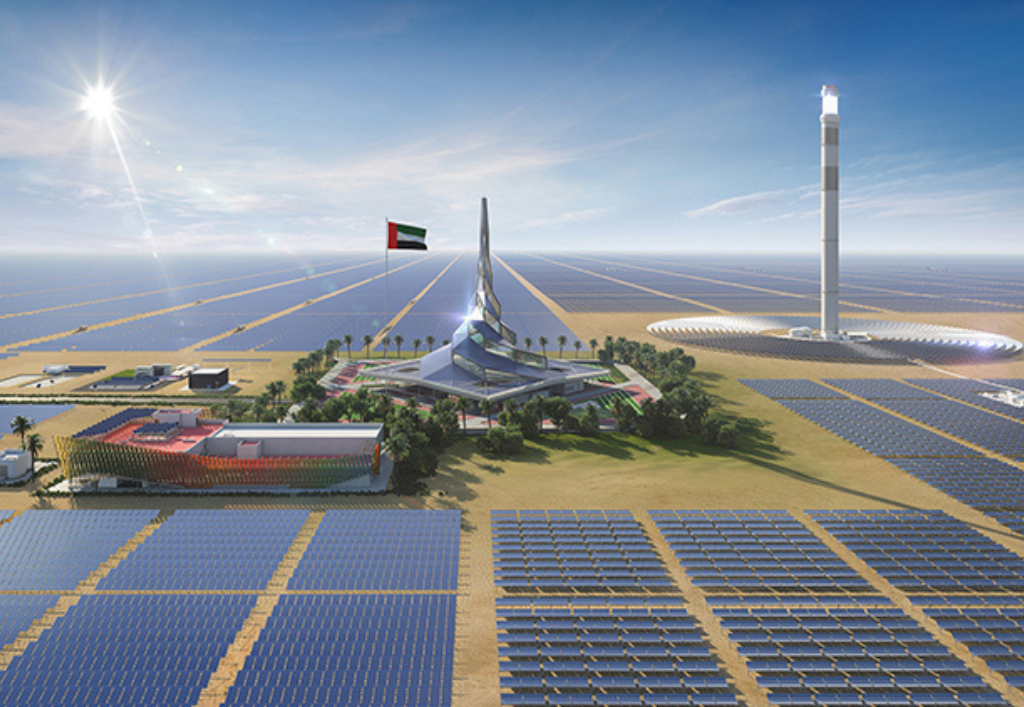
A common fear raised on Reddit-style forums is overheating and dust reducing efficiency. In reality, modern desert-rated monocrystalline panels experience manageable losses when paired with proper tilt, airflow spacing, and cleaning schedules. According to regional performance studies, annual degradation typically remains below 0.5–0.7% when systems are professionally engineered.
How We Ranked the Top 10 Solar Companies in Dubai (Transparent Methodology)
Unlike generic listicles, this ranking is based on technical and operational criteria, not brand visibility. Each company profile below was evaluated across:
- DEWA & Shams Dubai approval track record
- EPC capability (in-house design, procurement, installation)
- Project scale experience (kW to multi-MW systems)
- Engineering depth (load calculations, inverter sizing, string optimization)
- O&M and performance guarantees
- Financial transparency and ROI modeling
- Client portfolio credibility
This matters because many so-called solar companies Dubai are sales intermediaries. The strongest performers control engineering decisions internally, reducing risk and long-term performance loss.
Cost of Solar Installation in Dubai: What Most Companies Don’t Tell You
When people ask about the cost of solar installation in Dubai, they usually expect a simple price-per-kilowatt answer. That’s exactly where many solar companies mislead buyers—intentionally or not. In reality, solar pricing in Dubai is shaped by engineering decisions, regulatory compliance, and long-term performance factors that rarely appear in quotations.
This section breaks down the real cost structure, exposes common pricing traps, and explains how to evaluate quotes like an expert.
The Real Price Ranges (Residential vs Commercial vs Industrial)
At a high level, solar installation costs in Dubai typically fall into three broad categories:
- Residential villas: Smaller system sizes, faster approvals, moderate upfront investment
- Commercial rooftops: Best ROI due to daytime consumption alignment
- Industrial & logistics facilities: Highest savings potential, but also the most complex engineering
What most buyers don’t realize is that two systems with the same kWp capacity can differ by 20–40% in total cost based on design quality alone.
The cheapest quote is often cheap because something critical has been removed.
The Hidden Cost #1: Weak Engineering (Not Cheap Equipment)
Many installers reduce prices by:
- Oversizing panels but undersizing inverters
- Ignoring thermal derating in extreme heat
- Using minimal structural analysis for rooftops
In Dubai’s climate, panels regularly operate above standard test temperatures. Poor thermal design reduces annual output, extending payback periods by years.
A system that looks cheaper upfront may quietly lose 5–10% annual yield, which costs far more than the initial “savings.”
The Hidden Cost #2: DEWA & Shams Dubai Delays
One of the most expensive mistakes is hiring a contractor without deep experience with Dubai Electricity and Water Authority and the Shams Dubai program.
Hidden risks include
- Incorrect transformer load calculations
- Non-compliant protection relays
- Incomplete documentation submissions
Each rejection or resubmission can delay commissioning by weeks or months, during which:
- You pay full grid electricity bills
- Your solar ROI clock hasn’t started
Time is money—especially for commercial users.
The Hidden Cost #3: Ignoring Cleaning & O&M in the Quote
Dubai’s dust environment makes operations and maintenance (O&M) non-negotiable. Yet many quotes exclude it entirely.
What happens then?
- Panels lose efficiency due to soiling
- Inverters run without performance monitoring
- Faults go unnoticed for months
Professional solar companies factor cleaning cycles, monitoring software, and preventive maintenance into lifetime cost models—not just installation day pricing.
Residential Solar Costs: What Villa Owners Miss
For villas, the most common misconception is that bigger systems always mean better savings.
In reality:
- Net metering limits matter
- Roof orientation and shading matter
- Exported energy may not fully offset consumption
Homeowners should focus on self-consumption optimization, not maximum panel count. Oversizing increases cost without proportional benefit.
This is why the best residential solar companies in Dubai insist on load analysis before quoting.
Commercial Solar Costs: Why ROI Is Often Better Than You Expect
Commercial buildings—malls, offices, warehouses—often achieve faster payback than villas because:
- Energy is consumed during daylight hours
- Tariffs are higher
- Load profiles are more predictable
However, many commercial buyers are misled by:
- Unrealistic payback promises
- Ignoring seasonal load variations
- No allowance for future expansion
Expert EPCs model 25-year energy yield, not just year-one savings.
Industrial & Warehouse Solar: The Most Complex (and Most Profitable)
Industrial solar projects have the widest cost range because they involve:
- Structural load assessments
- Long cable runs
- High-capacity switchgear
- Grid protection coordination
Here, the cheapest installer is often the most dangerous choice.
Industrial buyers should prioritize:
- Proven EPC experience
- Structural engineering sign-off
- Performance guarantees
This is where top-tier solar companies in Dubai justify higher upfront costs with bankable long-term returns.
CAPEX vs PPA: The Cost Model Most Companies Don’t Explain
Some commercial providers offer Power Purchase Agreements (PPAs) instead of upfront installation costs.
What they don’t always explain:
- You pay more per kWh long term
- You give up asset ownership
- Contract exit clauses matter
PPAs make sense for:
- Cash-constrained businesses
- Short planning horizons
They do not always make sense for asset owners planning 20–25 years ahead.
How to Read a Solar Quote Like an Expert
Before accepting any solar installation quote in Dubai, ask:
- Does this include DEWA approval and grid synchronization?
- Are inverter brands and capacities clearly specified?
- Is O&M included—or optional?
- What is the guaranteed annual output, not just system size?
- What happens if performance underdelivers?
If a company can’t answer clearly, the low price is not a bargain—it’s a warning.
DEWA, Shams Dubai & Compliance: Why Approval Matters More Than Price
When evaluating solar proposals in Dubai, DEWA compliance is not a checkbox—it is the project.
A system that is cheaper but fails approval, delays grid synchronization, or underperforms after inspection is not cheaper in reality.
The Dubai Electricity and Water Authority regulates every grid-connected solar system under the Shams Dubai initiative. Approval governs:
- System capacity limits
- Transformer and feeder loading
- Protection relays and anti-islanding
- Net-metering eligibility
- Commissioning timelines
What Most Buyers Don’t Realize
Many installers submit incomplete or non-optimized designs just to win on price. DEWA then:
- Rejects drawings
- Requests redesigns
- Delays site inspections
Each delay means:
- Continued full electricity bills
- Lost solar generation
- ROI erosion before the system even goes live
A cheaper system that is commissioned 3–6 months late often costs more than a properly engineered one installed on time.
Why Experienced EPCs Matter
DEWA-approved solar companies understand:
- How to size systems within transformer headroom
- How to model export limits correctly
- How to pre-empt protection objections
This experience is invisible on a quotation—but painfully visible during approval.
How to Choose the Best Solar Company in Dubai for Your Use Case
Choosing the best solar company in Dubai is not about rankings—it’s about fit. Different use cases require different strengths.
Step 1: Identify Your Real Objective
Ask yourself
- Is the goal maximum ROI, risk minimization, or lowest upfront cost?
- Is this a long-term asset or a short-term operational decision?
Step 2: Match the Company to the Project Type
For Villas
- Prioritize Shams Dubai experience
- Demand load-based system sizing
- Avoid oversizing for export
For Commercial Buildings
- Demand ROI modeling, not just kWp pricing
- Ask for inverter redundancy and monitoring
- Check experience with similar load profiles
For Industrial & Warehouses
- Structural engineering is non-negotiable
- Ask for protection coordination studies
- Demand performance guarantees
Step 3: Ask the Questions That Expose Weak Bidders
A serious solar EPC should answer clearly:
- How many DEWA-approved projects have you commissioned in Dubai?
- What happens if approval is delayed?
- What is the guaranteed annual energy output?
- Who maintains the system after handover?
If answers are vague, the risk is being transferred to you.
Common Solar Myths in Dubai (Debunked with Reality)
1. “Solar panels don’t work well in extreme heat”
Reality
Heat affects efficiency slightly, but modern desert-rated panels and proper airflow design keep losses within acceptable limits. Poor design—not heat—is the real problem.
2. “Dust makes solar pointless in Dubai”
Reality
Dust reduces output only when cleaning is ignored. With proper O&M, performance remains stable. Cleaning is cheaper than grid electricity.
3. “Solar is only worth it for villas”
Reality
Commercial and industrial solar often delivers better ROI due to daytime consumption and higher tariffs.
4.“The cheapest quote gives the fastest payback”
Reality
Cheap systems often:
- Underperform
- Get delayed in approval
- Lack monitoring
This silently extends payback timelines.
5.“All solar companies in Dubai are DEWA-approved”
Reality
Many companies claim experience but outsource critical compliance work. Always verify who actually handles DEWA submissions.
FAQ
1. Which solar company is best in Dubai?
There is no single best company. The best choice depends on whether your project is residential, commercial, or industrial—and how much risk you’re willing to tolerate.
2. How long does DEWA solar approval take?
With experienced EPCs, approvals typically take weeks, not months. Inexperienced submissions are the main cause of delays.
3. Is solar profitable in Dubai’s climate?
Yes. Dubai’s solar irradiance is among the highest globally, making solar highly viable when systems are engineered correctly.
4. What is the typical lifespan of a solar system in Dubai?
Most systems are designed for 25–30 years, with panels degrading gradually when properly maintained.
5. Should I choose CAPEX or PPA?
CAPEX offers higher lifetime ROI. PPAs suit businesses that prefer zero upfront cost but accept higher long-term energy prices.
Conclusion
In Dubai, investing in solar energy is not a one-time transaction—it is a long-term infrastructure decision that directly affects operational costs, regulatory compliance, and asset value for decades. The true success of a solar project is defined not by how cheaply it is installed, but by how reliably it performs under extreme climate conditions, how smoothly it passes DEWA and Shams Dubai approvals, and how consistently it delivers energy over a 25–30 year lifecycle. Poor engineering, rushed approvals, or short-term cost savings can silently erode ROI long after installation. When solar is approached with the same seriousness as any core utility—backed by experienced EPC partners, transparent performance guarantees, and compliance-first design—it becomes a resilient financial asset rather than a recurring risk. In Dubai’s energy landscape, the smartest solar decisions are built for longevity, not just price.
 By, velthangam s
 - December 30, 2025
- 227
- Energy & Sustainability
- 0 comment
 Chat for Paid Ads