
Top 10 Companies Hiring in 2026: Future Skills Required for Digital Marketing Success
Introduction
The Future Skills Required for Digital Marketing are no longer limited to creativity, content, or basic SEO. According to industry reports, over 75% of companies are integrating AI-driven marketing, data analytics, and automation workflows into their core strategy, fundamentally reshaping how brands acquire, engage, and retain customers. The intersection of artificial intelligence + consumer behavior + data science now defines modern marketing ecosystems.
Our Marketing Agency Ranking Methodology
- Strategic Expertise – 25%
- Campaign Performance – 20%
- Creative Innovation – 15%
- Client Portfolio – 15%
- Industry Reputation – 15%
- ROI Focus – 10%
Scoring logic: Agencies are ranked based on strategy depth, campaign success, creativity, and measurable business impact.
The entity relationship is clear
AI → enhances marketing efficiency,
data analytics → drives decision-making,
content + storytelling → builds emotional engagement,
and automation → scales performance.
Yet, most aspiring marketers face a critical dilemma: “What skills actually matter in 2026?” The fear of irrelevance due to rapid technological change, especially with tools like generative AI, has created confusion around career paths.

This article bridges that gap—connecting real hiring trends from top companies with practical, job-ready digital marketing skills, ensuring you focus only on what truly matters.
What are the future skills required for digital marketing in 2026?
The most important digital marketing skills in 2026 include AI & automation, data analytics, SEO, content marketing, performance marketing, and customer psychology, combined with adaptability and strategic thinking.
Top 10 Future Skills Required for Digital Marketing in 2026
1. AI & Marketing Automation Mastery
The Future Skills Required for Digital Marketing are fundamentally built around AI-first execution. This is not about casually using AI tools—it’s about integrating AI into every marketing workflow.
What This Skill Actually Means
- Using generative AI for content, ads, and campaigns
- Building automated marketing funnels
- Leveraging predictive analytics for decision-making
- Creating AI-assisted personalization at scale
Tools You Must Learn
- ChatGPT / Claude (content + strategy)
- HubSpot automation workflows
- Zapier / Make (workflow automation)
- Jasper / Copy.ai (AI copywriting)
Practical Insight
Instead of manually sending emails:
You build an automated email sequence triggered by user behavior (download → nurture → convert)
Hiring Insight
Companies don’t ask: “Do you know AI?”
They ask:
“How have you used AI to improve campaign performance?”
Mistake to Avoid
Using AI only for content writing → This is entry-level usage
2. Data Analytics & Decision-Making (Most Underrated Skill)
In 2026, marketers are expected to behave like data analysts with business intuition.
What This Skill Actually Means
- Understanding user journeys through data
- Identifying drop-off points in funnels
- Making decisions based on metrics, not assumptions
Metrics You Must Understand
- CAC (Customer Acquisition Cost)
- LTV (Lifetime Value)
- Conversion Rate
- Bounce Rate
- ROAS (Return on Ad Spend)
Practical Insight
You notice
- High traffic
- Low conversions
Instead of guessing, you
- Analyze heatmaps
- Identify friction
- Fix landing page UX
Hiring Insight
Recruiters prefer
- A marketer who improved conversion by 15%
over - Someone who “managed campaigns”
3. Advanced SEO & Search Intent Mastery
SEO is evolving into a user psychology + AI alignment discipline.
What This Skill Actually Means
- Understanding why users search (intent)
- Creating content that solves problems
- Optimizing for Google’s AI-driven algorithms
Types of Search Intent
- Informational (learn)
- Navigational (find)
- Transactional (buy)
Practical Insight
Keyword: “best digital marketing course”
Intent = Comparison + decision
So your content must
- Compare options
- Provide proof
- Guide decisions
Hiring Insight
Companies want
- SEO strategists
not - keyword fillers
4. Content Marketing + Strategic Storytelling
Content is no longer about writing—it’s about influencing decisions through narrative.
What This Skill Actually Means
- Turning features into stories
- Creating emotion-driven content
- Building authority through value
Practical Insight
Instead of
“Our tool increases productivity”
You say
“A startup reduced workload by 40% using this tool”
Content Types That Work in 2026
- Case studies
- Personal stories
- Educational deep dives
- Short-form video content
Hiring Insight
Companies hire
- storytellers who convert
not - writers who inform
5. Performance Marketing & Paid Ads (Revenue Skill)
This is the most direct money-making skill in digital marketing.
What This Skill Actually Means
- Running profitable ad campaigns
- Testing creatives & audiences
- Scaling winning campaigns
Platforms to Master
- Google Ads
- Meta Ads
- YouTube Ads
- LinkedIn Ads
Practical Insight
You run
- 5 ad variations
- Test different audiences
Scale only the highest ROI campaign
Hiring Insight
If you can
Generate revenue → You are always employable
6. Conversion Rate Optimization (CRO)
CRO is where small changes = massive business impact.
What This Skill Actually Means
- Improving landing pages
- Reducing friction
- Increasing conversions
Practical Insight
Changing
“Buy Now”
to
“Get Your Free Trial Today”
→ Can increase conversions significantly
Tools to Learn
- Hotjar (user behavior)
- Google Optimize
- A/B testing platforms
7. Social Media & Personal Branding
In 2026, your personal brand = your resume.
What This Skill Actually Means
- Building authority online
- Creating consistent content
- Engaging with audience
Practical Insight
A marketer posting
- Case studies
- Insights
- Learnings
Gets hired faster than someone with only a resume
Hiring Insight
Recruiters check
LinkedIn profiles before resumes
8. Marketing Strategy & Funnel Thinking
Execution without strategy is wasted effort.
What This Skill Actually Means
- Understanding customer journey
- Designing marketing funnels
- Aligning campaigns with goals
Funnel Example
Awareness → Interest → Consideration → Conversion
Each stage needs different content + messaging
Hiring Insight
Companies want
thinkers, not task-doers
9. Customer Psychology & Behavioral Marketing
Marketing is fundamentally about human behavior.
What This Skill Actually Means
- Understanding emotional triggers
- Using persuasion techniques
- Applying behavioral science
Examples
- Scarcity → “Only 3 seats left”
- Social proof → “10,000 users trust us”
Hiring Insight
Marketers who understand psychology:
Create high-converting campaigns
10. Adaptability & Continuous Learning (Survival Skill)
This is the meta-skill that sustains all others.
What This Skill Actually Means
- Staying updated with trends
- Learning new tools quickly
- Adapting to industry changes
Reality Check
What works today may fail in 6 months.
Hiring Insight
Companies value
learners over experts
Top 10 Companies Hiring in 2026
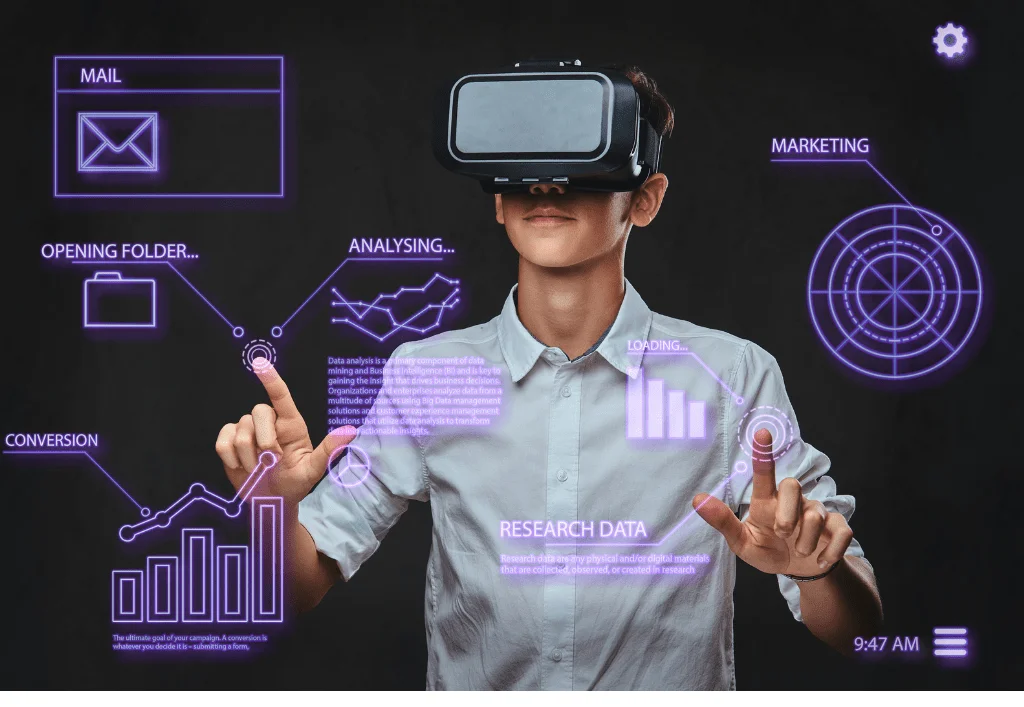
The hiring landscape in digital marketing is shifting from degree-based hiring → skill-based hiring. Companies are no longer impressed by certifications alone—they want problem-solvers who can drive measurable results.
1. Google – AI-Driven Marketing & Search Intelligence
What They Look For
- AI-powered campaign optimization
- Deep understanding of search algorithms
- Data analytics + user intent mapping
Real Expectation
You should be able to
- Optimize campaigns using machine learning insights
- Understand how AI impacts SEO & ads
Reality Check
Basic SEO knowledge is not enough anymore
2. Amazon – Performance Marketing & Conversion Optimization
What They Look For
- ROI-focused ad strategies
- Conversion rate optimization (CRO)
- Funnel performance analysis
Real Expectation
Turn ad spend into measurable revenue
Key Skill
Performance marketing = direct business impact
3. Meta – Social Ads & Behavioral Data Experts
What They Look For
- Paid social media expertise
- Audience targeting & segmentation
- Creative testing + ad scaling
Real Expectation
Build campaigns that convert using user behavior data
Mistake to Avoid
Posting content ≠ performance marketing
4. HubSpot – Inbound Marketing & Automation
What They Look For
- CRM mastery
- Email marketing automation
- Lead nurturing strategies
Real Expectation
Convert leads into customers through automated funnels
Key Skill
Understanding customer lifecycle deeply
5. Salesforce – Data + CRM + Enterprise Marketing
What They Look For
- Customer data analysis
- Marketing automation systems
- Enterprise-level campaign strategy
Real Expectation
Use data to personalize customer experiences at scale
6. Shopify – E-commerce Growth & DTC Marketing
What They Look For
- Direct-to-consumer (DTC) strategies
- Paid ads + conversion optimization
- Customer retention tactics
Real Expectation
Increase sales while reducing acquisition cost
7. Flipkart – High-Scale Performance Marketing
What They Look For
- Campaign scalability
- ROI optimization
- Marketplace marketing strategies
Real Expectation
Handle large-scale campaigns with measurable ROI
8. Netflix – Content + Data-Driven Personalization
What They Look For
- Content strategy + storytelling
- Data-driven audience insights
- Personalization at scale
Real Expectation
Deliver the right content to the right audience at the right time
9. LinkedIn – B2B Marketing & Personal Branding
What They Look For
- Thought leadership content
- B2B lead generation
- Personal branding strategies
Real Expectation
Build authority-driven marketing campaigns
10. OpenAI – AI-First Marketing & Innovation
What They Look For
- AI integration in marketing workflows
- Prompt engineering
- Automation-first thinking
Real Expectation
Use AI as a core marketing engine, not just a tool
How to Build These Skills (Step-by-Step Roadmap)
Step 1: Build Strong Fundamentals
Start with core concepts
- Marketing principles
- Consumer behavior
- Basic digital channels
Skipping fundamentals leads to confusion later.
Step 2: Choose a Core Specialization
Instead of learning everything, focus on one:
- SEO
- Paid Ads
- Content Marketing
- Analytics
This builds depth and confidence.
Step 3: Learn AI Tools Early
Start using
- Content generation tools
- Automation platforms
- AI analytics tools
This gives you a competitive edge.
Step 4: Work on Real Projects
Theory alone won’t get you hired.
Build
- Personal projects
- Freelance work
- Case studies
A marketer once struggled to get interviews—until they built a portfolio website showcasing real results.
Step 5: Stay Updated Continuously
Follow
- Industry blogs
- Marketing communities
- Case studies
Marketing is a dynamic field—continuous learning is essential.
Common Mistakes That Keep Marketers Unemployed
Despite the growing demand for digital marketers, many professionals struggle to secure jobs—not due to lack of effort, but because of critical strategic mistakes. One of the most common issues is the tendency to learn multiple skills superficially without mastering any, leading to a lack of depth in areas like SEO, performance marketing, or data analytics. Employers today are not looking for generalists with shallow knowledge; they want individuals who can demonstrate expertise and measurable impact.
Another major mistake is ignoring the importance of data-driven marketing and analytics skills. Many marketers focus heavily on creative aspects like content creation or social media posting but fail to understand how to track performance, analyze metrics, and optimize campaigns based on data insights. This creates a disconnect between effort and results, making it difficult to prove value to potential employers.
A lack of a strong portfolio is another critical barrier. Certifications alone no longer carry significant weight unless they are backed by real-world projects, case studies, and documented results. Recruiters want to see evidence of skills in action—whether it’s a successful SEO campaign, a high-converting ad funnel, or a well-executed content strategy.
Additionally, many marketers resist adopting AI tools and automation technologies, often due to fear or misunderstanding. This reluctance can quickly make their skill set outdated, especially as companies increasingly rely on AI-driven marketing solutions. Finally, following outdated strategies—such as keyword stuffing in SEO or generic social media posting—can severely limit career growth in an industry that evolves rapidly.
Future of Digital Marketing Careers (2026 & Beyond)
The future of digital marketing careers is being shaped by a powerful convergence of technology, data, and human creativity. As we move into 2026 and beyond, the role of marketers will shift from executing campaigns to designing intelligent, data-driven growth systems. The rise of AI in marketing, machine learning algorithms, and predictive analytics is transforming how brands interact with consumers, making personalization and automation central to every strategy.
One of the most significant trends is the emergence of AI-assisted marketers, professionals who leverage technology to enhance efficiency while focusing on strategy, creativity, and decision-making. Rather than replacing jobs, AI is redefining them—creating demand for individuals who can interpret data, design campaigns, and optimize customer experiences using advanced tools.
Another key shift is the growing importance of hybrid skill sets, where marketers are expected to combine technical knowledge (analytics, automation, SEO) with creative abilities (storytelling, branding, content creation). This blend allows them to operate effectively across multiple channels and deliver cohesive marketing strategies.
The future also emphasizes customer-centric marketing, where understanding consumer psychology, behavior patterns, and emotional triggers becomes essential for building meaningful connections. As competition intensifies, companies will prioritize marketers who can create personalized, engaging, and value-driven experiences rather than generic campaigns.
Ultimately, the future belongs to those who can adapt quickly, think strategically, and continuously evolve. The marketing landscape will continue to change, but the ability to learn, unlearn, and relearn will remain the most valuable skill of all.
Real Hiring Trends & What Recruiters Actually Look For
Modern hiring trends in digital marketing reveal a clear shift from traditional qualifications to practical, results-oriented skills. Recruiters are no longer impressed by long lists of certifications or theoretical knowledge; instead, they prioritize candidates who can demonstrate real-world impact through portfolios, case studies, and measurable outcomes. This reflects a broader industry move toward skill-based hiring, where the focus is on what candidates can do rather than what they have studied.
One of the most important factors recruiters look for is the ability to solve business problems using marketing strategies. This includes skills like data analytics, conversion rate optimization, performance marketing, and customer journey mapping, all of which directly contribute to revenue growth. Candidates who can clearly explain how they improved campaign performance or increased conversions have a significant advantage.
Another key trend is the demand for adaptability and continuous learning. Given the rapid evolution of digital marketing tools and platforms, recruiters value individuals who stay updated with AI advancements, algorithm changes, and emerging trends. This demonstrates not only technical competence but also a proactive mindset.
Interestingly, portfolio quality often outweighs certifications, as it provides tangible proof of skills. A well-documented project showcasing SEO improvements, ad campaign success, or content performance can be far more persuasive than multiple course completions. Additionally, soft skills like communication, strategic thinking, and collaboration play a crucial role, as marketers often work across teams and depa
FAQ
1. What skills are required for digital marketing in 2026?
The most important skills include
- AI & automation
- Data analytics
- SEO & content strategy
- Performance marketing
These skills ensure long-term relevance.
2. Is digital marketing a good career in 2026?
Yes—but only for those who continuously adapt and upgrade their skills.
3. Can beginners learn digital marketing without coding?
Yes. Coding is optional, but analytical thinking and problem-solving are essential.
4. How long does it take to become job-ready?
With focused effort
- 3–6 months for fundamentals
- 6–12 months for mastery
5. Which skill pays the most in digital marketing?
High-paying skills include
- Performance marketing
- Data analytics
- AI-driven marketing
Conclusion
The Future Skills Required for Digital Marketing are not about chasing every new trend or tool—they are about building a strategic, adaptable, and results-driven skill set that aligns with real industry needs. As companies continue to prioritize AI integration, data-driven decision-making, and customer-centric strategies, the demand for skilled marketers will only increase. However, the gap between those who succeed and those who struggle will depend entirely on how effectively they adapt and apply their knowledge.
The journey may seem complex, but the path is clear: focus on mastering core marketing fundamentals, develop expertise in high-demand areas like AI, analytics, and performance marketing, and consistently work on real-world projects that demonstrate your capabilities. Along the way, embracing continuous learning and staying updated with industry trends will ensure long-term relevance in a rapidly evolving field.
In the end, digital marketing in 2026 is not just a career—it is an opportunity to be part of a dynamic, ever-changing ecosystem where innovation and creativity drive success. Those who take action today, build the right skills, and remain adaptable will not only secure jobs but also lead the future of marketing.
 By, velthangam s
 - April 10, 2026
- 277
- Marketing & Advertising
- 0 comment
 Chat for Paid Ads