
Top 10 Brand Art Direction in Dubai: Creative Excellence Redefined
Introduction
Art direction in branding is the strategic process of shaping how a brand communicates visually—guiding not just what it looks like, but how it feels to its audience. It’s the heart of visual branding & design, blending creative direction with business strategy to ensure every visual element—from typography to photography—tells a consistent story.
Our Marketing Agency Ranking Methodology
- Strategic Expertise – 25%
- Campaign Performance – 20%
- Creative Innovation – 15%
- Client Portfolio – 15%
- Industry Reputation – 15%
- ROI Focus – 10%
Scoring logic: Agencies are ranked based on strategy depth, campaign success, creativity, and measurable business impact.
In today’s hyper-competitive markets, brands must align emotion, message, and identity across all platforms. Strong art direction makes this possible.
For a curated look at excellence in visual branding & design, explore this top agency list in Dubai.
Top 10 Agencies for Brand Art Direction in Dubai
Dubai is home to a vibrant ecosystem of agencies that fuse strategy with visual storytelling. These 10 creative studios stand out for their unique approach to art direction in branding, award-winning campaigns, and innovative design systems.
1. Red Marrow
Website : https://www.redmarrow.ae/
Location: Dubai Design District
Specialty: Boutique branding, photography art direction, fashion and culture
Why they stand out: Known for their emotive art direction and rich visual stylization, Red Marrow excels in bringing out the personality of niche brands.
2. Octopus Marketing
Website : https://www.octopusmarketing.agency/
Location: 784G+RM5 Deira Clocktower – Business Village – Dubai – United Arab Emirates
Specialty: Branding, website development, brand launches
Why they stand out : Octopus blends strategy with modern design thinking, helping startups and SMEs scale their brand presence efficiently.
3. Brand Lounge
Website :https://brandloungeme.com/
Location: Dubai & Riyadh
Specialty: Brand strategy, repositioning, and emotional storytelling
Why they stand out: Known for their “Brand Meaning” methodology, Brand Lounge helps companies develop emotionally resonant identities that scale.
4. We Want You Studio
Website :https://wewantyou.studio/
Location: Dubai Design District
Specialty: Fashion, beauty, and lifestyle branding
Why they stand out: With a bold, edgy aesthetic, WWY delivers high-concept art direction across packaging, editorials, and digital branding.
5. Tonic International
Website : https://www.tonicinternational.com/
Location: Dubai Media City
Specialty: Integrated campaigns, brand design, and performance marketing
Why they stand out: One of Dubai’s longest-standing creative shops, Tonic blends data-driven strategy with stunning creative work across channels.
6. JPd Agency
Website : https://www.jpd.agency/
Location: Downtown Dubai
Specialty: Brand architecture, visual identity, and design systems
Why they stand out: They excel in simplifying complex brand narratives through cohesive design language and clear visual direction.
7. Seven Media
Website : https://sevenmedia.ae/
Location: Abu Dhabi & Dubai
Specialty: Content-led branding and media integration
Why they stand out: With roots in journalism, Seven fuses content strategy with impactful design for cross-platform branding consistency.
8. Prototype
Website : https://prototype.net/
Location: Business Bay, Dubai
Specialty: UX/UI design, web branding, digital product design
Why they stand out: Prototype’s focus on design systems and user-first interfaces makes them a go-to for digitally native brands.
9. Mo4 Network
Website : https://www.mo4network.com/
Location: Dubai & Cairo
Specialty: Bold visual identities for youth and pop culture brands
Why they stand out: Their disruptive design language and multimedia storytelling power brands like El Gouna Film Festival and Carina.
10. Omnia
Website : https://www.omnia.ae/
Location: Dubai & London
Specialty: Corporate branding, luxury design systems
Why they stand out: Omnia’s work is polished, professional, and globally recognized—perfect for high-end and B2B brands.
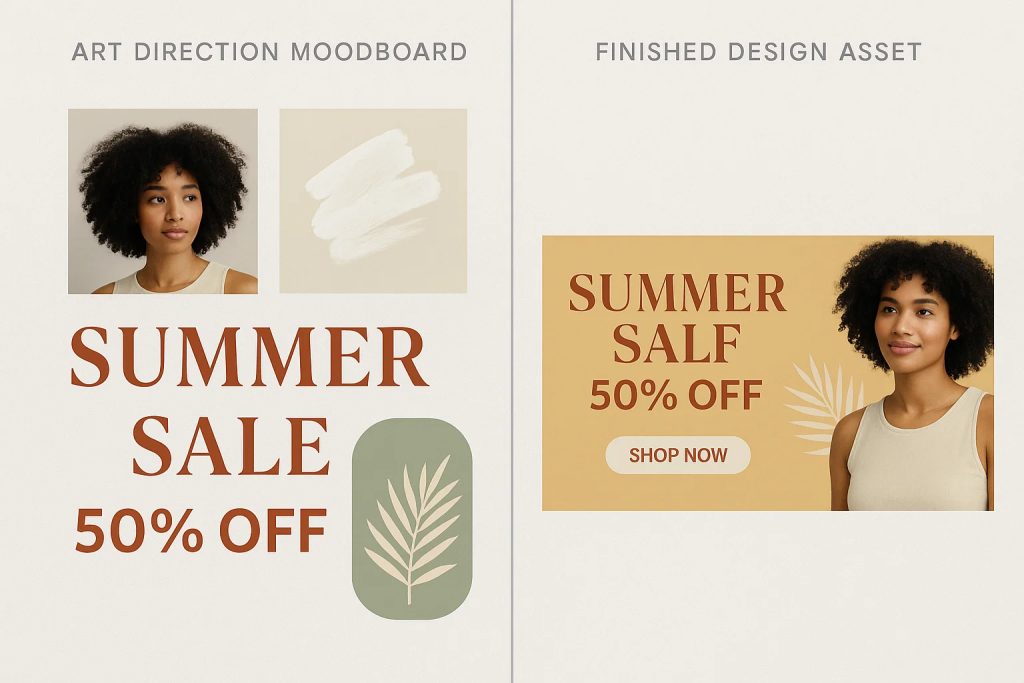
Art Direction vs Graphic Design: Understanding the Difference
When it comes to branding, art direction and graphic design are often mistakenly used interchangeably—but their roles are distinct, and understanding the difference is key to building a strong, strategic brand.
Art Direction = Vision
Art direction defines the big-picture creative strategy of a brand’s visual identity. It answers the questions
- What feeling should this brand evoke?
- What story are we telling visually?
- How do our visuals align with brand values and audience expectations?
Art directors are responsible for setting this emotional and aesthetic vision, ensuring everything from campaign imagery to Instagram templates adheres to a unified tone and purpose. They consider elements like:
- Lighting styles for photoshoots
- Illustration vs photography for brand materials
- Use of whitespace and layout rhythm
- Emotional tone across media
Graphic Design = Execution
Graphic design, by contrast, is the craft of bringing that vision to life through tangible assets. Designers work within the system set by art direction to create:
- Social media graphics
- Brochures and packaging
- Email banners
- Landing pages
- Product presentations
They choose fonts, align elements, and apply the brand’s visual language—but without dictating it. Designers build, while art directors guide.
Why the Distinction Matters
Confusing these roles can lead to two major issues:
- Lack of brand cohesion when each designer interprets things differently without central guidance.
- Missed emotional impact when visual assets look good but don’t feel aligned with the brand’s strategy or voice.
Translating Strategy into Visual Storytelling
Art direction isn’t just about what looks good—it’s about ensuring visuals reflect brand strategy. That means translating brand values, tone, and audience insights into imagery, layout, and design decisions that feel intentional and emotionally resonant.
For example
- A sustainability-focused brand may use earthy tones, organic textures, and soft lighting
- A tech startup might emphasize minimalism, whitespace, and geometric iconography
- A youth-focused fashion brand may lean into contrast, attitude-driven imagery, and motion graphics
When done right, visuals become story fragments—each telling part of the brand’s promise. Whether it’s packaging or a product launch page, great art direction ensures they all say the same thing.
Expert Quote
“Storytelling through visual assets connects the user emotionally and builds brand trust.” – adbrandon.com
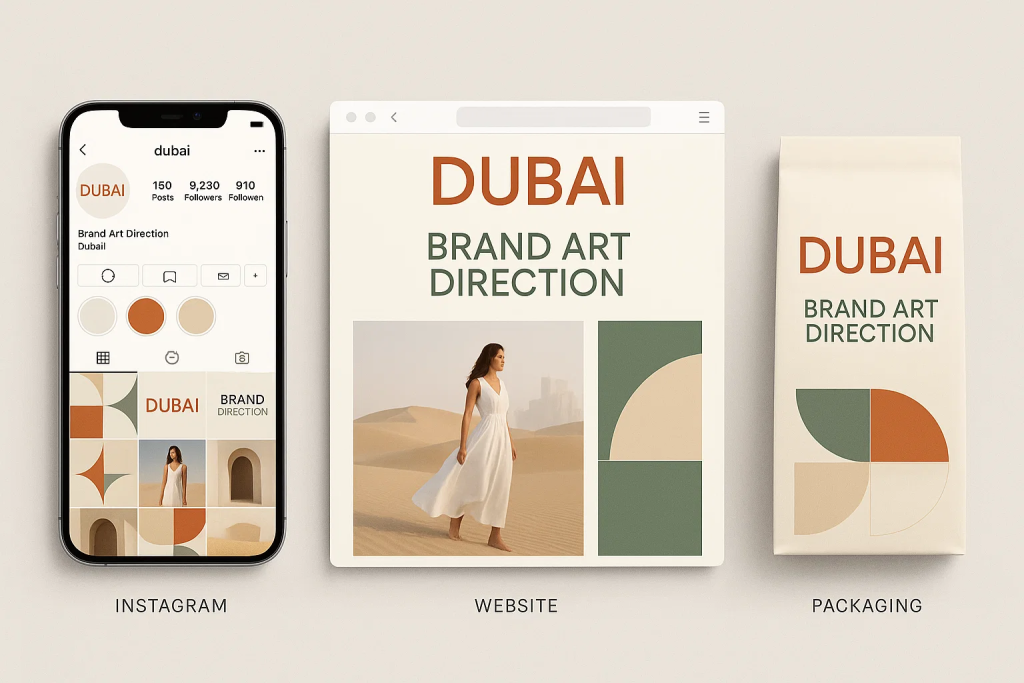
Creating a Consistent Brand Experience Across Touchpoints
Consistency is the hallmark of effective branding. Art direction ensures that your brand looks, feels, and speaks the same—whether on a website, Instagram feed, or product packaging. Without it, your brand feels fragmented.
For example
- Typography used in print should match digital assets
- Color tones in Instagram posts should align with product packaging
- Website imagery must reflect the same emotional tone as your billboards
Customer Challenges Solved
“Our branding changes depending on the platform—it feels like we’re running three different companies.”
Art direction solves this by defining visual guidelines across all touchpoints and aligning teams to a shared vision.
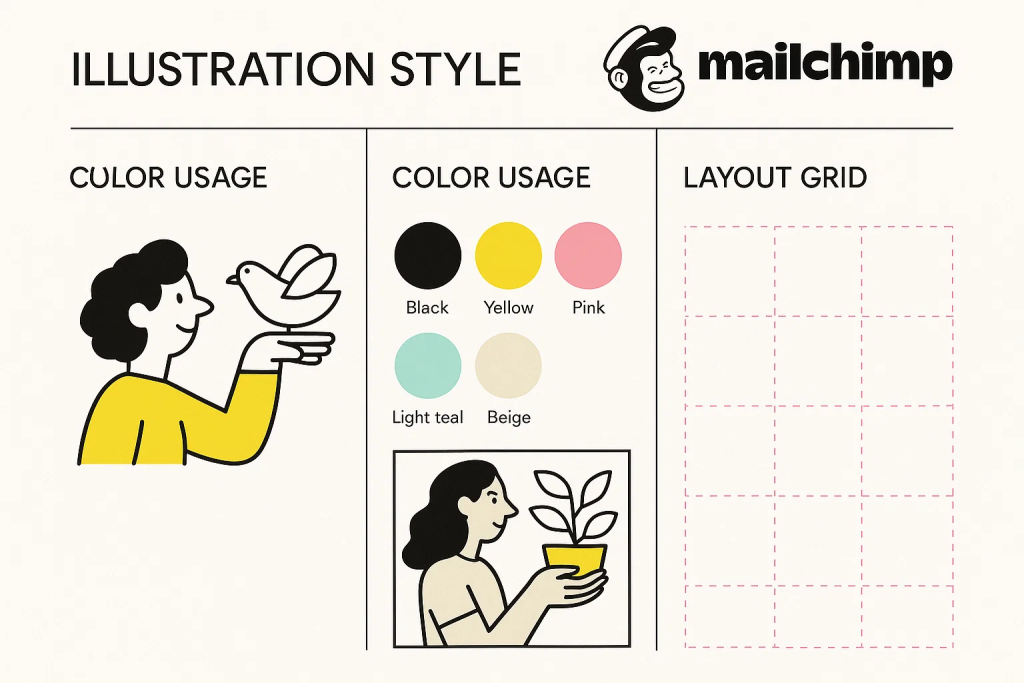
Case Study: Mailchimp’s Art Direction in Action
Mailchimp is a masterclass in art direction. Its playful illustration style, soft color palette, and bold typography are instantly recognizable—whether on a landing page, an ad, or an onboarding email.
Key takeaways from Mailchimp’s art direction:
- Consistent use of illustrative branding to create a friendly, human feel
- Soft, muted color palettes paired with bold headlines for contrast
- Visual storytelling that reflects its quirky, creative tone across all channels
Mailchimp shows how strong art direction doesn’t just create consistency—it builds personality.
Overcoming Common Art Direction Challenges
Even with the best intentions, brands often stumble when applying art direction. Common challenges include:
- Overdesigning: Trying too hard can result in clutter and confusion
- Inflexibility: Strict visual systems leave no room for creativity or evolution
- Poor Implementation: Guidelines exist, but teams don’t follow or understand them
- Disconnect: Visuals that look good but don’t align with the brand strategy
Tip:
Develop simplified style guides, train cross-functional teams, and audit visuals quarterly.
Applying Art Direction: Step-by-Step Implementation Guide
To build a visually cohesive brand, you need a system—not scattered assets. Here’s how to implement art direction step by step
- Define Brand Strategy – Clarify your mission, tone, and audience.
- Create a Moodboard – Collect reference visuals that reflect your desired tone.
- Establish Core Elements – Typography, color palette, imagery style.
- Build a Design System – Layouts, grids, and scalable patterns.
- Document Everything – Style guides that explain the “why” behind each choice.
- Train Teams – Ensure designers, marketers, and vendors all understand the system.
- Audit & Update – Revisit visual guidelines quarterly to stay fresh and relevant.
FAQ
1. What’s the difference between art direction and creative direction?
Art direction focuses on the visual and emotional expression of a brand, guiding elements like typography, color, and imagery. Creative direction oversees the broader communication strategy—across visuals, copy, campaigns, and concept.
2. How can I make my brand feel more cohesive?
Start with a clear art direction guide: set your visual tone, define a color system, choose typography, and outline image styles. Then, use this guide across every touchpoint—from your email banners to social posts. Consistency is key.
3. Where do I start with visual identity as a small business?
Begin with a moodboard that reflects how you want your brand to feel. Then define a minimal palette, 2 fonts, and a logo variation. From there, apply the same look across channels.
4. What should a brand style guide include?
A proper guide includes:
- Logo usage
- Color palette
- Typography hierarchy
- Image direction
- Layout/grid system
- Tone of voice and applications
5. How do I find a great art direction agency in Dubai?
Check out this curated list of visual branding & design agencies in Dubai, or explore section 8 of this article for vetted agency profiles.
Conclusion
Art direction in branding is not just about aesthetics—it’s about alignment, emotion, and clarity. It transforms abstract strategy into a visual language that speaks to your audience at every touchpoint, ensuring your brand isn’t just seen, but felt and remembered.
By investing in art direction, brands build trust, elevate perception, and create unified experiences that stand out in a noisy market. Whether you’re launching a startup or refreshing a legacy identity, visual storytelling guided by strategic art direction is what turns good brands into iconic ones.
 By, velthangam s
 - August 16, 2025
- 327
- Marketing & Advertising
- 0 comment
 Chat for Paid Ads