
Top 10 Brand Identity Agencies in Dubai for Cohesive Brand Building
Introduction: Why Brand Identity Is the Core of Brand Strategy
In today’s fast-paced digital landscape, where competition is fierce and consumer attention spans are fleeting, establishing a strong brand identity is no longer a luxury—it’s a necessity. A brand identity is not merely about a logo or a catchy tagline; it’s a comprehensive representation of a company’s values, personality, and promise to its customers. As we venture into 2025, the significance of a cohesive and authentic brand identity has only intensified, driven by market trends such as the rise of AI, the decline of third-party cookies, and the increasing demand for authenticity.
Our Marketing Agency Ranking Methodology
- Strategic Expertise – 25%
- Campaign Performance – 20%
- Creative Innovation – 15%
- Client Portfolio – 15%
- Industry Reputation – 15%
- ROI Focus – 10%
Scoring logic: Agencies are ranked based on strategy depth, campaign success, creativity, and measurable business impact.
Brand Identity refers to the visual, verbal, and emotional representation of a brand. It defines how a company wants to be perceived and includes:
- Visual elements (logo, typography, color palette)
- Verbal elements (tone of voice, messaging)
- Emotional signals (brand personality, behavior, customer experience)
A powerful brand identity creates immediate recognition, emotional resonance, and long-term loyalty. In a multicultural landscape like Dubai, brand identity also serves as a bridge between cultural nuance and commercial ambition.
What is Brand Identity?
Brand Identity refers to the visual, verbal, and emotional representation of a brand that communicates its values, personality, and promise to the audience. It goes beyond aesthetics—it’s how a brand wants to be perceived in the minds of consumers.
A strong brand identity creates familiarity, trust, and differentiation. It includes everything from logos, typography, and color palettes to tone of voice, messaging frameworks, employee behavior, and even the emotional feeling a brand evokes. When done right, brand identity aligns internal culture with external perception and allows businesses to scale with clarity and cohesion.
Key Elements of Brand Identity
1. Logo
The logo is the cornerstone of a brand’s visual identity. It can be a symbol, wordmark, or combination that visually represents the brand. A great logo is memorable, scalable, and versatile across mediums (digital, print, merchandise, etc.).
2. Typography
Typography is more than just choosing a font. It’s about establishing a consistent font system (headings, body, captions) that reflects the brand’s personality—whether that’s modern, elegant, playful, or bold.
3. Color Palette
Color psychology plays a major role in how a brand is perceived. A consistent set of primary and secondary colors helps evoke specific emotions, increase recall, and maintain visual unity across assets.
4. Imagery Style
Photos, illustrations, and iconography should share a unified art direction. Whether you choose authentic photography, stylized illustrations, or minimal icons, your visual assets should feel coherent.
5. Tone of Voice
How a brand “speaks” to its audience is crucial. The tone should reflect the brand’s character—formal, conversational, witty, empathetic, etc.—and stay consistent across social media, ads, website copy, and customer support.
6. Messaging
Messaging includes your brand’s tagline, value propositions, mission statements, and content pillars. It answers questions like: What do we stand for? What promise do we deliver? Why should people care?
7. Brand Guidelines
This is the brand’s instruction manual. A comprehensive brand guide outlines how each identity component should be used (and not used) across platforms. It ensures internal alignment and protects the brand from inconsistency.
8. Packaging & Physical Touchpoints
For product brands, packaging is one of the most tangible expressions of identity. It needs to reflect the core branding while being practical, memorable, and aligned with the overall customer experience.
9. Digital Presence
Your website, social media, mobile apps, and emails should reflect consistent brand identity—not just visually, but in messaging, user experience, and interactions.
10. Behavioral Consistency
This refers to how your team members represent the brand—in customer interactions, internal culture, and public behavior. Brand identity isn’t only visual; it’s behavioral.
Why Brand Identity Matters
Recognition
A cohesive identity makes your brand easily recognizable. Visual and verbal cues signal your brand’s presence across touchpoints.
Trust
Consistency builds credibility. When your brand identity feels dependable, customers are more likely to trust and engage.
Differentiation
In saturated markets, brand identity becomes a key differentiator. It conveys what makes you unique and why that matters.
Consistency
Every department—from marketing to customer service—needs to communicate one brand story. A solid identity ensures alignment.
Scalability
A well-built identity is scalable across geographies, languages, and channels. It simplifies brand expansion and new product launches.

Top 10 Brand Identity Agencies in Dubai
1. Red Marrow
Why They Stand Out:
Red Marrow integrates storytelling with advanced social proof strategies, focusing on authenticity and emotional trust. They specialize in turning customer stories, feedback, and influencer collaborations into high-converting brand narratives.
Core Services:
- User-generated content campaigns
- Influencer marketing
- Customer journey optimization
- Testimonial video production
Website: https://www.marrow.red/
Contact: [email protected] | +971 50 123 4567
2. Octopus Marketing
Why They Stand Out:
With a strategic focus on omnichannel trust-building, Octopus Marketing transforms online reviews and brand mentions into measurable business assets. They offer data-driven insight to amplify brand reputation.
Core Services:
- Online review strategy
- Social sentiment tracking
- Brand trust index development
- Reputation management
Website: https://octopusmarketing.agency
Contact: [email protected] | +971 4 278 9475
3. Chain Reaction
Why They Stand Out:
Chain Reaction’s blend of performance marketing and social proof tactics ensures your brand message resonates authentically. They excel in driving visibility through customer-centric content.
Core Services:
- Video testimonials
- Micro-influencer campaigns
- Social proof integrations for landing pages
- Real-time engagement tracking
Website: https://www.chainreaction.ae
Contact: [email protected] | +971 4 391 3775
4. Digital Nexa
Why They Stand Out:
As a HubSpot Diamond Partner, Digital Nexa builds trust through seamless CRM integrations and automated reputation strategies. They specialize in building long-term brand trust pipelines.
Core Services:
- Review generation automation
- Trust badge design
- CRM-integrated testimonial requests
- Inbound reputation strategy
Website: https://www.digitalnexa.com
Contact: [email protected] | +971 4 420 3155
5. Prism Digital
Why They Stand Out:
Prism focuses on emotion-driven social proof via real stories and interactive campaigns. Their influencer collaborations go beyond aesthetics to create honest advocacy.
Core Services:
- Customer video reels
- Influencer matchmaking
- Product review campaigns
- Live testimonial integrations
Website: https://www.prism-me.com
Contact: [email protected] | +971 4 382 7600
6. Skyne
Why They Stand Out:
Skyne combines branding with psychology. Their “trust architecture” approach ensures every visual, message, and interaction reinforces credibility.
Core Services:
- Trust-focused brand design
- Value-driven messaging
- Customer story integration
- Social touchpoint audit
Website: https://www.skyne.com
Contact: [email protected] | +971 4 513 5254
7. Tonic International
Why They Stand Out:
Tonic crafts integrated campaigns that balance creative brilliance with authentic feedback loops. Their campaigns encourage active user participation and social validation.
Core Services:
- Community-driven content
- Social media sentiment campaigns
- Real-time testimonial feeds
- Campaign transparency systems
Website: https://www.tonicinternational.com
Contact: [email protected] | +971 4 428 2555
8. Brandstorm
Why They Stand Out:
Brandstorm specializes in building brand authority through smart influencer relations and reputation management across digital platforms.
Core Services:
- Influencer-led trust strategy
- Crisis reputation repair
- Customer experience design
- UGC integration
Website: https://www.brandstormagency.com
Contact: [email protected] | +971 4 262 4007
9. Hug Digital (Part of Grey Group)
Why They Stand Out:
Hug Digital leverages Grey Group’s global reputation with localized strategies in Dubai, focusing on genuine interactions and community proof.
Core Services:
- Sentiment monitoring tools
- Peer-to-peer brand engagement
- Review-based landing pages
- Gamified trust content
Website:https://www.hugdigital.com
Contact: [email protected] | +971 4 343 4778
10. Igloo
Why They Stand Out:
Igloo is known for its SEO-powered reputation management and community review building. They’re ideal for e-commerce and service brands looking to build digital trust footprints.
Core Services:
- Google review strategy
- Video & text testimonials
- Real-time reputation dashboards
- SEO + social proof hybrid strategies
Website: https://www.weareigloo.com
Contact: [email protected] | +971 4 514 4072
Brand Identity System Checklist
1. Core Brand Foundation
- Brand Purpose (Why do we exist?)
- Brand Vision (What future are we building?)
- Brand Mission (What do we do and for whom?)
- Brand Values (What principles guide us?)
- Brand Positioning Statement (Where do we stand in the market?)
- Brand Promise (What consistent experience do we guarantee?)
2. Brand Personality & Voice
- Brand Personality Traits (e.g., Bold, Friendly, Elegant)
- Brand Voice & Tone Guide
- Messaging Pillars (Core narratives/themes)
- Sample Messaging (Taglines, Emails, Social Captions)
3. Visual Identity System
- Primary Logo & Variations (Horizontal, Icon-only)
- Typography (Headings, Body, System Fonts)
- Color Palette (Primary, Secondary, Accent)
- Iconography & Graphics (Design Rules)
- Imagery & Art Direction (Moodboards, Samples)
- Brand Guidelines Document (PDF or digital tool)
4. Touchpoint Adaptation
- Website UI/UX Style Guide
- Social Media Templates
- Business Cards & Stationery
- Presentation Deck Templates
- Packaging Design (if applicable)
- Signage / Retail Space Design
5. Brand Experience Consistency
- Internal Brand Playbook for Employees
- Brand Voice & Behavior Training
- Tone Guidelines for Different Channels
- Internal Brand Rituals (e.g., onboarding, events)
- Customer Service Scripts
6. Evaluation & Protection
- Trademark & Legal Registration
- Quarterly Internal Brand Audits
- Customer Feedback Mechanisms
- Visual & Messaging Consistency Checks
- Brand Asset Management Platform (Frontify, Bynder, Figma, etc.)
Why Brand Identity Matters More Than Ever
The Strategic Imperative
According to a Forbes article on the increasing importance of brand identity in 2024, the shift to a digital-first business model necessitates a distinct and authentic brand identity. The crowded digital landscape, coupled with the decline of third-party cookies, means that brands must build direct trust and recognition with their audiences. Moreover, the rise of AI-generated content has underscored the importance of creating a genuine, human brand identity that stands out from generic AI outputs.
“Having a distinct and authentic brand identity and an emotional connection with your audience is more critical than ever.” — Forbes Communications Council
The Visual and Voice Synergy
A strong brand identity merges visual elements with a consistent voice. As highlighted by Photoroom, visual brand identity includes all visible elements such as logos, color palettes, typography, and imagery. These elements are not just decorative; they are strategic assets that influence consumer perception and purchasing decisions.
“Brand identity is the visible elements of a company’s brand, including consumer perception, colors, design, and its logo.” — Photoroom
Crafting a strong visual presence must go hand-in-hand with developing a unique brand voice. The tone, language, and messaging used across all platforms should reflect the brand’s core values and resonate with the target audience.
Digital Marketing Integration
Parashift Tech underscores the importance of integrating brand identity with digital marketing strategies to drive business growth. This involves aligning the core elements of brand identity with specific digital marketing channels such as SEO, content marketing, social media, and PPC.
“Consumers today demand authenticity and transparency from the brands they engage with. Being genuine in your messaging, design, and interactions can help build trust and loyalty.” — Parashift Tech
Actionable Tip: Ensure that your brand’s messaging and visuals are consistent across all digital touchpoints to build recognition and trust.
Consistency is Key
Consistency across all channels is crucial for building a strong brand identity. Whether it’s your website, social media profiles, or email marketing campaigns, every touchpoint should reflect your brand’s personality and values.
“Consistency is key when it comes to content messaging. Every piece of content should reflect your brand’s personality and values.” — Parashift Tech
The Role of Authenticity and Human Connection
In a world brimming with digital noise and AI-generated content, authenticity serves as a differentiator. Forbes highlights that a brand’s authentic identity is its most valuable asset for building human connection. Authenticity fosters trust and loyalty, which are essential for long-term success.

Storytelling with a Human Touch
Storytelling is a powerful way to convey a brand’s values and connect with audiences on an emotional level. Brands that prioritize authenticity and storytelling with a human touch can navigate the complexities of the digital age while fostering genuine connections with their audience.
“By prioritizing authenticity, storytelling with the human touch and immersive technology, brands can navigate the complexities of the digital age while fostering loyalty, trust, and a genuine connection with their audience.” — Forbes
Visual Brand Identity: A Tactical Approach
Photoroom provides a hands-on guide to creating a visual brand identity, emphasizing the importance of a cohesive brand kit or visual style guide.
Creating Your Brand Kit
- Define Your Core Visual Elements: Start with the basics—logo, color palette, typography, and imagery.
- Develop a Visual Style Guide: Document your brand’s visual guidelines including logo usage, color codes, typography choices, and image styles.
- Use Visual Examples: Incorporate well-known brands as visual examples to communicate effectively.
Evolving with Market Trends
A successful visual identity requires periodic reevaluation to stay relevant. As market trends, competitor moves, and customer expectations shift, it’s crucial to adapt your brand identity accordingly.
“Successful brands evolve their identity strategically over time while maintaining core recognition.” — Photoroom
The Future of Brand Identity: Beyond 2024
Leveraging AI and Big Data
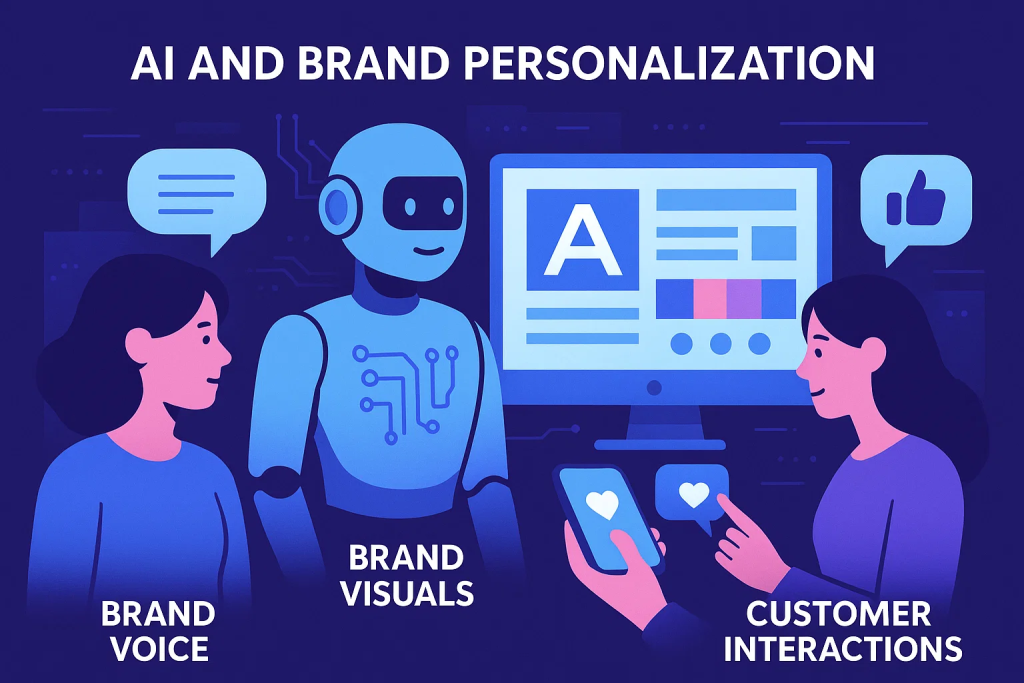
AI and big data offer exciting opportunities for brands to create more personalized experiences. By analyzing customer behavior and preferences, brands can tailor their messaging and interactions.
Immersive Technology and Emotional Connection
Immersive technology, such as virtual reality and augmented reality, provides new avenues for brands to engage with their audience and deepen emotional connections.
“Integrating unified branding and personalized experiences in digital platforms is more than aesthetic customization—it embeds a brand’s core values and essence into every digital interaction.” — Forbes
Conclusion: Embracing the Power of Brand Identity
A strong brand identity is multi-dimensional—combining visual design, messaging, values, and customer experience. As brands navigate the digital landscape of 2024 and beyond, consistency, authenticity, and adaptation to digital trends will be essential for building trust, loyalty, and competitive differentiation.
Brands that successfully merge visuals and voice to create a cohesive and authentic identity will not only capture consumer attention but also foster meaningful connections that drive long-term success.
 By, Shreefa Junaith
 - July 2, 2025
- 458
- Marketing & Advertising
- 0 comment
 Chat for Paid Ads