
Top 10 Companies Balancing Automation & Human Creativity in Digital Marketing
Introduction: The Rise of Automation vs Human Creativity in Digital Marketing
The shift toward automation vs human creativity in digital marketing is accelerating as artificial intelligence (AI), machine learning, and predictive analytics reshape how brands operate. According to McKinsey, AI adoption can boost marketing productivity by up to 40%, while Gartner reports that most marketing leaders now rely on AI-driven personalization. This rapid evolution highlights a critical reality: automation is scaling marketing efficiency, but it cannot fully replace human creativity, storytelling, and emotional intelligence.
Our Marketing Agency Ranking Methodology
- Strategic Expertise – 25%
- Campaign Performance – 20%
- Creative Innovation – 15%
- Client Portfolio – 15%
- Industry Reputation – 15%
- ROI Focus – 10%
Scoring logic: Agencies are ranked based on strategy depth, campaign success, creativity, and measurable business impact.
Modern marketing operates on a hybrid system where AI-powered automation tools handle data analysis, campaign optimization, and personalization at scale, while humans focus on creative strategy, brand voice, and emotional connection. However, many marketers face a key pain point—over-reliance on automation often leads to generic, robotic content that lacks authenticity. This creates a growing tension between efficiency and meaningful engagement.
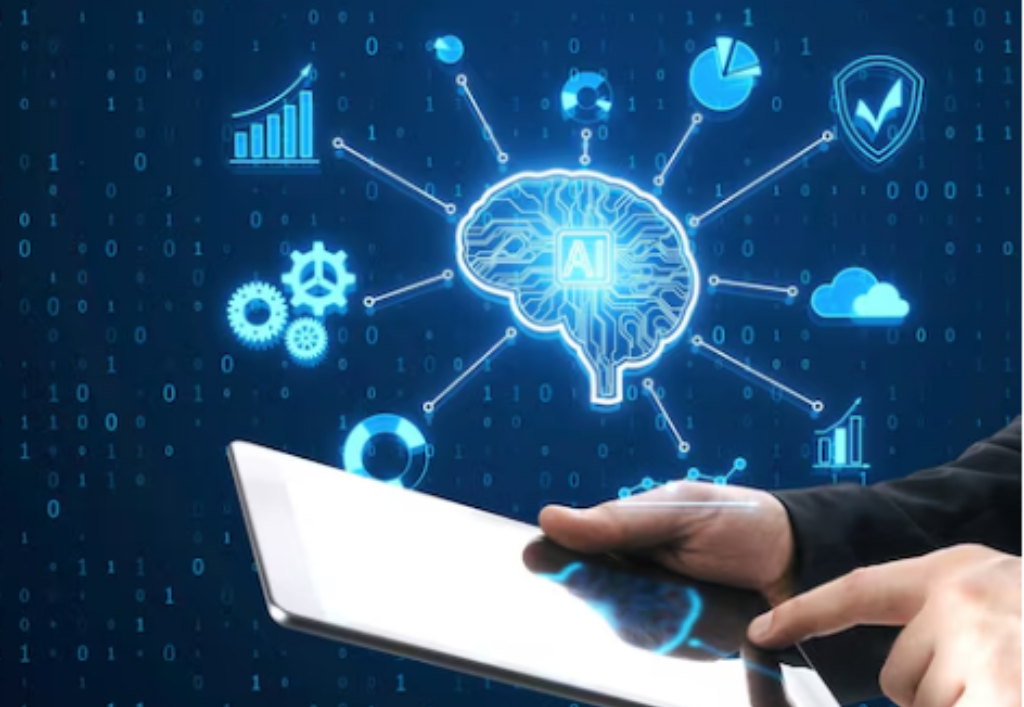
The solution lies in balance. Leading brands are adopting a human-in-the-loop approach, where AI enhances speed and precision, while humans guide creativity and narrative. Instead of replacing creativity, automation is redefining it—making the real competitive advantage not just using AI, but mastering the synergy between technology and human imagination.
Top 10 Companies Balancing Automation & Human Creativity in Digital Marketing
1. Netflix – AI-Driven Personalization with Human Storytelling
Website: https://www.netflix.com
When discussing the balance of automation vs human creativity in digital marketing, few companies demonstrate mastery as effectively as Netflix. The platform is globally recognized for combining AI-powered recommendation systems with human-crafted storytelling, creating a seamless blend of data-driven personalization and emotional engagement.
At the heart of Netflix’s strategy lies its advanced machine learning algorithms and predictive analytics engines, which analyze user behavior such as watch history, browsing patterns, and engagement metrics. These systems enable Netflix to deliver hyper-personalized content recommendations, improving retention and user satisfaction. However, what truly differentiates Netflix is not just automation—it is how the company integrates human creativity into every layer of its marketing and content ecosystem.
Best For
- Personalized content marketing at scale
- AI-driven customer experience optimization
- Brands looking to balance data insights with storytelling
- Companies aiming to improve user engagement and retention
Specifications & Capabilities
AI & Automation Strengths
- Advanced recommendation algorithms (over 80% of content discovery is AI-driven)
- Real-time user behavior tracking and segmentation
- Automated thumbnail personalization (different visuals for different users)
- Predictive analytics for content success forecasting
Human Creativity Strengths
- High-quality original storytelling and content production
- Human-led creative direction for campaigns and branding
- Emotion-driven trailers, teasers, and social campaigns
- Cultural adaptation for global audiences
Netflix solves one of the biggest pain points marketers face:
How to personalize at scale without losing emotional connection.
While many brands struggle with over-automation leading to robotic experiences, Netflix ensures that every recommendation still feels intuitively human. For instance, two users may see entirely different artwork for the same show—an AI-driven tactic—but the storytelling behind the content remains deeply human and emotionally engaging.
A marketer once shared an interesting observation during a campaign analysis: “Netflix doesn’t just recommend content—it feels like it understands your mood.” That perception is not accidental. It is the result of combining AI personalization systems with human insight into audience psychology.
2. Canva – Scalable Content Creation with Creative Oversight
When it comes to balancing automation vs human creativity in digital marketing, Canva stands out as a powerful example of how AI-driven design tools can scale content production without compromising creative quality and brand consistency. Unlike purely automated platforms, Canva integrates intelligent automation features with a strong emphasis on human-led design thinking, making it a go-to solution for marketers, creators, and businesses worldwide.
Canva’s ecosystem is built around simplifying design through AI-powered tools, template automation, and drag-and-drop interfaces, enabling users to create professional-quality visuals at scale. However, the real strength lies in how these tools are guided by human creativity, allowing users to customize, refine, and align designs with their unique brand voice—solving a major pain point:
How to scale content production without losing originality.
Website : https://www.canva.com
Best For
- Scalable visual content creation
- Social media marketing design
- Brand consistency across campaigns
- Teams needing fast, high-quality creative production
Specifications & Capabilities
AI & Automation Strengths
- Magic Design & AI-powered templates for instant content generation
- Automated resize and format adaptation for multi-platform publishing
- AI tools for text-to-image generation and design suggestions
- Workflow automation for team collaboration and brand kits
Human Creativity Strengths
- Full control over design customization and storytelling visuals
- Human-driven branding, typography, and color strategy
- Creative flexibility for unique campaign assets
- Intuitive tools enabling non-designers to think like designers
One of Canva’s biggest contributions to modern marketing is solving the challenge of creative bottlenecks. Traditionally, scaling design required large teams and long production cycles. With Canva’s automation features, marketers can generate multiple design variations instantly—but still apply human judgment to refine visuals and maintain brand identity.
A small business owner once shared: “Before Canva, we waited days for design updates. Now we create campaigns in hours—but still keep our brand style intact.” This highlights how Canva bridges the gap between efficiency and creativity, empowering users rather than replacing them.
Strategically, Canva represents the human-in-the-loop model in design marketing. AI accelerates the creation process through templates and suggestions, while humans ensure that every visual aligns with brand storytelling, emotional appeal, and audience expectations. This prevents the common issue of generic, template-heavy content that lacks differentiation.
In the broader debate of automation vs human creativity, Canva proves that automation doesn’t diminish creativity—it democratizes it. By lowering technical barriers, it allows more people to participate in creative strategy and visual storytelling, making marketing both scalable and authentic.
3. Nike – Data-Driven Campaigns with Emotional Branding
In the landscape of automation vs human creativity in digital marketing, Nike represents one of the most powerful examples of how data-driven marketing intelligence can coexist with emotionally compelling storytelling. While many brands lean heavily toward either analytics or creativity, Nike has mastered the integration of both—using AI-powered insights to inform campaigns, while relying on human creativity to inspire global audiences.
Nike leverages advanced data analytics, customer behavior tracking, and AI-driven segmentation tools to understand its audience at a granular level. Through platforms like its apps and eCommerce ecosystem, Nike collects valuable insights on user preferences, fitness habits, and engagement patterns. This allows the brand to deliver hyper-personalized campaigns, targeted product recommendations, and optimized customer journeys—solving a major pain point:
How to use data without losing emotional connection.
Website: https://www.nike.com
Best For
- Emotion-driven brand storytelling at scale
- Data-informed marketing strategies
- High-impact advertising campaigns
- Brands aiming to combine analytics with inspiration
Specifications & Capabilities
AI & Automation Strengths
- Advanced customer data analytics and segmentation
- Personalized email marketing and product recommendations
- AI-driven campaign performance tracking and optimization
- Integration of mobile apps for real-time user insights
Human Creativity Strengths
- Iconic storytelling campaigns (e.g., purpose-driven narratives)
- Strong brand voice centered on empowerment and identity
- Emotionally powerful video ads and social storytelling
- Cultural relevance through human insight and creative direction
Nike’s true strength lies in how it transforms data into meaningful stories. While AI systems identify trends and audience segments, human creatives craft campaigns that resonate on a deeply emotional level. Campaigns are not just optimized for clicks—they are designed to inspire action, build identity, and create lasting brand loyalty.
A marketing strategist once remarked: “Nike doesn’t just target audiences—they speak to beliefs.” This distinction is critical. Many brands use automation to improve efficiency, but Nike uses it to enhance the precision of its storytelling, ensuring that every message reaches the right audience without losing its emotional core.
From a strategic standpoint, Nike avoids the common mistake of over-reliance on data. Instead of letting algorithms dictate creativity, the brand uses insights as a foundation—allowing human teams to build narratives that align with cultural movements, social values, and personal identity. This approach directly addresses a major industry concern: data-driven marketing becoming too transactional and impersonal.
In the broader discussion of automation vs human creativity, Nike proves that data does not replace creativity—it sharpens it. By combining AI-powered precision with human emotional intelligence, Nike creates campaigns that are not only effective but unforgettable.
4. Adobe – AI-Powered Design with Human Creativity
In the evolving conversation around automation vs human creativity in digital marketing, Adobe stands as a pioneer in blending AI-powered creative tools with human-driven design excellence. Through its ecosystem—especially Adobe Creative Cloud and Adobe Sensei (its AI engine)—the company enables marketers and designers to scale visual content production while maintaining high creative standards and brand integrity.
Adobe’s approach is rooted in empowering creativity rather than replacing it. Its AI capabilities automate repetitive design tasks such as image enhancement, background removal, layout adjustments, and content-aware editing. This allows designers to focus on concept development, storytelling, and innovation—solving a major pain point in marketing teams:
Spending too much time on execution instead of creative thinking.
Website : https://www.adobe.com
Best For
- Professional creative teams and designers
- High-end brand storytelling and visual campaigns
- Businesses needing advanced design automation with full creative control
- Enterprises focused on consistent brand identity across channels
Specifications & Capabilities
AI & Automation Strengths (Adobe Sensei)
- Intelligent image recognition and tagging
- Automated video editing and scene detection
- AI-powered design suggestions and layout optimization
- Smart content-aware fill and object removal
- Workflow automation across creative projects
Human Creativity Strengths
- Industry-leading tools for graphic design, video production, and UX design
- Full control over creative direction and brand storytelling
- Advanced capabilities for custom, high-quality visual content
- Flexibility for innovative and experimental design concepts
Adobe addresses one of the biggest challenges in modern marketing: scaling high-quality creative output without compromising originality. While many AI tools generate quick but generic visuals, Adobe ensures that automation enhances—not replaces—the designer’s vision.
A creative director once shared during a campaign production cycle: “Adobe’s AI saves us hours on editing, but the idea—the story—that still comes from us.” This perfectly captures Adobe’s role in the human-in-the-loop creative process, where automation accelerates workflows but humans define the outcome.
From a strategic perspective, Adobe prevents the common pitfall of over-automated, template-driven design. Instead, it provides a framework where AI acts as an assistant—handling precision tasks—while humans push the boundaries of visual storytelling and brand differentiation.
In the broader debate of automation vs human creativity, Adobe proves that the future of design is not about replacing designers with AI, but about creating augmented creativity systems. These systems allow brands to produce content faster, maintain consistency, and still deliver emotionally compelling, visually stunning campaigns.
5. OpenAI – Conversational AI with Human Tone Optimization
In the discussion of automation vs human creativity in digital marketing, OpenAI represents a transformative force—especially in the realm of conversational marketing, AI-generated content, and customer interaction systems. Through technologies like GPT-based models, OpenAI enables businesses to automate communication at scale while still preserving a human-like tone, context, and personalization—addressing one of the most critical pain points in modern marketing:
How to automate conversations without sounding robotic.
OpenAI-powered tools are widely used across industries for chatbots, email marketing, content generation, customer support, and social media engagement. These systems leverage natural language processing (NLP) and deep learning models to understand user intent and generate responses that feel conversational and relevant. However, the real magic lies in how businesses integrate human tone optimization into these systems—ensuring that AI outputs align with brand voice, emotional nuance, and audience expectations.
Website: https://www.openai.com
Best For
- Conversational marketing and AI chatbots
- AI-powered content generation at scale
- Businesses aiming to improve customer interaction and engagement
- Teams looking to combine automation with human-like communication
Specifications & Capabilities
AI & Automation Strengths
- Advanced natural language processing (NLP) for human-like conversations
- Automated content generation (blogs, emails, ads, scripts)
- Scalable chatbot and customer support systems
- Context-aware personalization in real-time interactions
- Integration with marketing tools and workflows
Human Creativity Strengths
- Ability to train and fine-tune tone of voice based on brand guidelines
- Human editing ensures authenticity and emotional depth
- Strategic use in storytelling, campaign ideation, and messaging frameworks
- Creative oversight to prevent generic or repetitive outputs
One of the biggest challenges with conversational AI is maintaining authentic human interaction. Many early chatbots failed because they felt scripted and impersonal. OpenAI changes this dynamic by enabling responses that are fluid, context-aware, and adaptable—but it still requires human input to guide tone, intent, and messaging.
A digital marketer once shared an insight during a campaign rollout: “Our chatbot started converting better only after we rewrote its tone to sound more human, not just smart.” This highlights a key truth—AI can generate language, but humans define personality.
From a strategic perspective, OpenAI perfectly embodies the human-in-the-loop communication model. AI handles speed, scalability, and responsiveness, while humans refine tone, empathy, and brand voice. This prevents the common issue of cold, robotic customer experiences, ensuring that automation enhances rather than replaces human connection.
In the broader automation vs human creativity debate, OpenAI demonstrates that the future of marketing communication lies in collaborative intelligence—where machines generate possibilities, and humans shape meaning. This combination allows brands to deliver personalized, engaging, and scalable conversations without sacrificing authenticity.
6. Salesforce – Marketing Automation with Strategic Human Input
Salesforce is a dominant force in AI-powered CRM and marketing automation, helping businesses streamline customer journeys, lead nurturing, and lifecycle marketing. Through tools like Einstein AI, Salesforce automates data analysis, segmentation, and campaign execution, allowing marketers to deliver highly personalized experiences at scale.
Website: https://www.salesforce.com
Best For
- Enterprise marketing automation
- CRM-driven personalization
- Customer lifecycle management
Specifications
- AI-driven customer insights and predictions
- Automated email and campaign workflows
- Human-led strategy and segmentation refinement
Salesforce solves the pain point of disconnected customer data, but still requires human marketers to craft meaningful journeys.
7. Jasper – AI Content Generation with Editorial Control
Jasper represents the evolution of AI content marketing, enabling businesses to generate blogs, ads, and emails instantly. However, its effectiveness depends heavily on human editing and strategic input.
Website: https://www.jasper.ai
Best For
- Content marketing teams
- SEO-driven content creation
- Scalable copywriting
Specifications
- AI-generated long-form and short-form content
- Templates for ads, blogs, emails
- Human editing for brand voice and accuracy
Without human oversight, AI content can feel generic—making editorial control essential.
8. Hootsuite – Social Media Automation with Creative Direction
Hootsuite helps brands automate social media scheduling, analytics, and engagement, while allowing creative teams to focus on content ideation and storytelling.
Website: https://www.hootsuite.com
Best For
- Social media automation
- Multi-platform content scheduling
- Analytics-driven engagement
Specifications
- Automated post scheduling and publishing
- AI-driven performance analytics
- Human-led creative content strategy
It solves the pain point of manual posting overload, but creativity still drives engagement.
9. Amazon – Predictive Analytics with Brand Strategy Teams
Amazon excels in predictive analytics and recommendation engines, using AI to optimize product suggestions, pricing, and advertising.
Website: https://www.amazon.com
Best For
- eCommerce personalization
- Data-driven advertising
- Predictive customer behavior
Specifications
- AI-powered recommendation systems
- Automated ad targeting and optimization
- Human-led brand and merchandising strategy
Amazon solves scale and personalization challenges, but relies on human teams for brand positioning.
10. Microsoft – End-to-End AI Ecosystems with Creative Leadership
Microsoft integrates AI across its ecosystem—from Azure AI to marketing tools—enabling businesses to build end-to-end automated marketing systems with human oversight.
Website : https://www.microsoft.com
Best For
- Enterprise AI solutions
- Full-stack marketing ecosystems
- AI + human collaboration
Specifications
- AI-powered cloud marketing infrastructure
- Automation across data, analytics, and campaigns
- Human-led innovation and strategy
Microsoft represents the future of integrated AI ecosystems guided by human creativity.
Why the Debate Exists: Automation vs Human Creativity in Marketing Strategy
The debate around automation vs human creativity in digital marketing exists because both forces deliver fundamentally different types of value. On one hand, AI-powered marketing automation, predictive analytics, and machine learning algorithms enable brands to execute campaigns with unmatched speed, precision, and scalability. On the other hand, human creativity, emotional storytelling, and brand intuition drive the kind of deep connections that convert audiences into loyal customers. The tension arises when businesses try to prioritize one over the other—often at the cost of performance or authenticity.
The Power of AI Automation in Marketing
The rise of AI-driven marketing tools has transformed how campaigns are executed. Platforms powered by OpenAI, Google Cloud AI, and AWS marketing solutions can analyze massive datasets, automate customer segmentation, and optimize campaigns in real time. This allows marketers to deliver hyper-personalized experiences, improve conversion rates, and scale campaigns across multiple channels effortlessly. For example, automated systems can run thousands of A/B tests, adjust bidding strategies, and refine targeting—all without manual intervention.
However, this efficiency introduces a major pain point: tool overload and strategic confusion. Many marketers struggle with integrating multiple automation platforms, leading to fragmented workflows and unclear ROI. In some cases, brands become overly dependent on automation, resulting in content that feels repetitive and lacks originality. As one marketer noted in a Reddit discussion, “We automated everything—emails, ads, even captions—but engagement dropped because nothing felt human anymore.” This highlights a critical limitation: automation excels at execution, but not at meaning.
The Irreplaceable Role of Human Creativity
While automation handles scale, human creativity remains the foundation of impactful marketing. Elements like brand storytelling, emotional resonance, cultural relevance, and creative direction cannot be fully replicated by AI. Humans understand nuance—they know when humor works, when empathy is needed, and how to craft narratives that align with audience values. This is why the most memorable campaigns still rely heavily on creative strategy and human insight.
A study referenced by World Economic Forum emphasizes that skills like creativity, critical thinking, and emotional intelligence are becoming even more valuable in the age of AI. Without these elements, marketing risks becoming purely transactional. Imagine a campaign that is perfectly optimized for clicks but fails to inspire trust or connection—that’s the gap human creativity fills.
Ultimately, the debate is not about choosing between automation and creativity—it’s about understanding their roles. Automation delivers efficiency; creativity delivers differentiation. The brands that win are those that integrate both into a cohesive strategy rather than treating them as opposing forces.
The “Human-in-the-Loop” Model: The Future of Marketing
As the tension between automation vs human creativity in digital marketing continues to grow, a new standard has emerged—the human-in-the-loop (HITL) marketing model. This approach integrates AI-powered automation systems with human creative oversight, ensuring that campaigns are both data-driven and emotionally intelligent. Instead of replacing marketers, AI becomes a collaborative partner—handling execution, optimization, and scalability, while humans focus on strategy, storytelling, and brand alignment.
At its core, the human-in-the-loop framework is built on a simple principle
AI handles repetition; humans drive meaning.
In practical terms, this means using machine learning algorithms, predictive analytics, and automation tools for tasks like audience segmentation, content generation drafts, and performance tracking, while humans refine messaging, inject creativity, and ensure brand consistency. For example, an AI tool might generate multiple versions of ad copy, but a human marketer selects and enhances the version that best reflects the brand’s tone and emotional appeal. This hybrid workflow addresses a major pain point—the fear of losing authenticity in automated marketing.
One of the biggest concerns among professionals today is job displacement. However, reports from organizations like World Economic Forum suggest that while automation will replace certain repetitive tasks, it will also create new roles focused on creative direction, AI strategy, and human-AI collaboration. In reality, the demand for creative thinkers, storytellers, and strategic marketers is increasing—not decreasing. AI expands what teams can do, but it still requires human judgment to guide it effectively.
A practical example of this model can be seen in content marketing workflows. Many companies now use tools like Jasper or OpenAI-powered platforms to produce first drafts at scale. These drafts are then refined by human editors who ensure brand voice consistency, emotional resonance, and contextual relevance. Without this human layer, AI-generated content often lacks depth and authenticity—one of the most common user complaints in automated marketing systems.
From a strategic standpoint, the human-in-the-loop model also solves the issue of tool overload and disconnected workflows. Instead of relying blindly on multiple automation platforms, marketers create a structured system where:
- AI tools are assigned specific operational roles
- Humans oversee creative and strategic decisions
- Feedback loops continuously improve both machine output and human input
This creates a more cohesive and efficient marketing ecosystem.
Ultimately, the future of marketing does not belong to AI alone or humans alone—it belongs to those who can orchestrate both effectively. The human-in-the-loop approach transforms the debate into a collaboration, enabling brands to achieve scalability without sacrificing creativity and efficiency without losing authenticity.
Criteria: How We Selected These Top 10 Companies
To truly understand how leading brands master the balance of automation vs human creativity in digital marketing, it’s essential to define clear, strategic selection criteria. This is not just a generic list of companies using AI—it is a curated analysis of organizations that successfully integrate AI-powered marketing automation with human-led creative strategy. The goal is to highlight companies that don’t just adopt technology, but use it in a way that enhances authenticity, storytelling, and measurable performance.
The first and most important criterion is the balance between automation and creativity. Companies included in this list demonstrate a clear human-in-the-loop marketing approach, where AI tools handle scalability, data processing, and execution, while humans guide creative direction, brand voice, and emotional messaging. This directly addresses a major pain point for marketers—how to avoid robotic content while still benefiting from automation. Brands that rely too heavily on AI without human oversight were intentionally excluded, as they often fail to maintain authentic engagement.
The second criterion focuses on the use of advanced AI tools and platforms such as OpenAI, Google Cloud AI, AWS, and creative tools like Jasper, Canva, and Midjourney. However, the presence of tools alone is not enough. What matters is how these tools are used. The selected companies leverage AI for predictive analytics, customer personalization, automated workflows, and content generation, but always with a layer of human refinement and strategic control. This ensures that campaigns remain both data-driven and creatively compelling.
Another key factor is brand storytelling and emotional resonance. In an era where audiences are overwhelmed with content, the ability to create memorable, emotionally engaging campaigns is a significant differentiator. The companies chosen consistently demonstrate strong creative storytelling, whether through advertising campaigns, content marketing, or personalized user experiences. This directly addresses the fear that AI-generated content lacks authenticity—these brands prove that when used correctly, AI can support rather than dilute creativity.
Performance and measurable outcomes also play a critical role. Each company has shown success in improving marketing ROI, customer engagement, conversion rates, or brand loyalty through a combination of automation and creativity. This helps resolve another common concern: “Is automation actually delivering value?” By focusing on real-world results, this list ensures practical relevance for marketers and decision-makers.
Finally, this selection is guided by E-E-A-T principles (Experience, Expertise, Authoritativeness, Trustworthiness). The companies featured are widely recognized industry leaders or innovators with proven expertise in AI-driven marketing strategies. Insights are supported by references to research and thought leadership from organizations like Gartner, McKinsey, and the World Economic Forum, ensuring that the analysis is both credible and actionable.
Benefits of Balancing Automation and Human Creativity
Striking the right balance between automation vs human creativity in digital marketing delivers a powerful competitive advantage that goes far beyond efficiency. When businesses integrate AI-powered automation tools with human-led creative strategy, they unlock a system that is both scalable and emotionally compelling—addressing one of the biggest challenges marketers face today: growing fast without losing brand identity.
One of the most immediate benefits is improved marketing ROI and performance optimization. Automation tools powered by machine learning algorithms and predictive analytics can process massive datasets, optimize campaigns in real time, and improve targeting accuracy. This leads to higher conversion rates, better customer segmentation, and more efficient use of marketing budgets. However, without human creativity, these campaigns risk becoming transactional. By adding emotional storytelling, brand voice consistency, and creative differentiation, businesses ensure that performance improvements also translate into long-term brand loyalty.
Another major advantage is scalable personalization without losing authenticity. AI enables hyper-personalized marketing experiences, tailoring content to individual user preferences. But personalization alone is not enough—if it feels intrusive or robotic, it can damage trust. Human creativity ensures that messaging feels natural, empathetic, and contextually relevant. This balance directly solves a key user fear: “How do I personalize without sounding creepy or fake?”
Additionally, combining automation with creativity significantly enhances team productivity and innovation. Automation eliminates repetitive tasks such as data analysis, reporting, and campaign execution, freeing up marketers to focus on creative strategy, ideation, and storytelling. This shift not only improves output quality but also boosts team morale—transforming marketing roles from operational to strategic.
Ultimately, the brands that succeed are those that understand a simple truth:
Automation drives efficiency, but creativity builds connection.
Common Mistakes to Avoid in AI-Driven Marketing
While AI-driven marketing automation offers immense potential, many businesses fall into critical traps that undermine both performance and brand value. Understanding these mistakes is essential to successfully navigating the automation vs human creativity balance.
One of the most common mistakes is over-automation without human oversight. Many marketers rely heavily on AI tools for content generation, email campaigns, and social media posting, assuming automation alone will deliver results. The outcome is often generic, repetitive, and emotionally flat content. A Reddit user once shared:
“We automated everything—blogs, emails, even replies. Engagement dropped because it all sounded the same.”
This highlights a key issue—automation without creativity leads to loss of authenticity and audience trust.
Another major pitfall is ignoring brand voice and storytelling. AI tools can generate content quickly, but they do not inherently understand a brand’s tone, personality, or cultural nuances. Without human refinement, messaging can become inconsistent or misaligned with brand identity. This creates confusion among audiences and weakens brand recall.
A third mistake is blind reliance on data without strategic interpretation. While AI excels at analyzing metrics like click-through rates, engagement scores, and conversion data, it cannot fully interpret human emotions, cultural trends, or contextual meaning. Marketers who rely solely on data risk creating campaigns that are optimized for numbers but lack emotional impact.
Finally, many organizations struggle with tool overload and poor integration. With countless AI tools available—from content generators to analytics platforms—teams often adopt multiple systems without a clear strategy. This leads to fragmented workflows, inefficiencies, and unclear ROI.
Avoiding these mistakes requires a shift in mindset—from using AI as a replacement tool to using it as a collaborative partner guided by human creativity.
Future Trends: Where AI and Creativity Are Headed
The future of automation vs human creativity in digital marketing is not about competition—it is about deeper integration. As technology evolves, the relationship between AI and creativity will become more sophisticated, giving rise to new opportunities and challenges.
One of the most significant trends is the rise of generative AI and creative automation tools. Platforms are becoming increasingly capable of producing high-quality text, images, videos, and even interactive experiences. However, as AI-generated content becomes more common, differentiation will depend heavily on human creativity, originality, and storytelling depth. In other words, the more automation increases, the more valuable creativity becomes.
Another emerging trend is hyper-personalization at scale. AI will continue to refine its ability to deliver real-time, individualized experiences based on user behavior, preferences, and context. However, the challenge will be maintaining privacy, trust, and authenticity. Brands that succeed will be those that combine data intelligence with human empathy, ensuring personalization feels helpful rather than invasive.
The industry is also moving toward collaborative AI systems, where humans and machines work together seamlessly. These systems will integrate creative tools, analytics platforms, and automation workflows into unified ecosystems. Marketers will shift from executing tasks to orchestrating AI-driven processes, focusing more on strategy and innovation.
Additionally, ethical AI marketing is becoming a critical concern. Issues such as data privacy, algorithmic bias, and transparency will shape how brands use automation. Human oversight will play a crucial role in ensuring that AI-driven campaigns remain ethical, inclusive, and trustworthy.
The future is clear:
AI will handle complexity, but humans will define creativity and meaning.
Practical Framework: How to Balance AI and Creativity
Balancing automation and human creativity in digital marketing requires more than tools—it requires a structured, strategic approach. Without a clear framework, businesses risk either over-automating or underutilizing AI.
Step 1: Define Creative Strategy (Human-Led)
Start by establishing your brand voice, messaging framework, and storytelling approach. This includes defining tone, values, and audience emotional triggers. AI tools should never dictate strategy—they should support it. This step ensures that all automation aligns with a consistent and authentic brand identity.
Step 2: Use AI for Execution and Scaling
Leverage AI for tasks such as content generation drafts, campaign automation, data analysis, and personalization. Tools can handle repetitive and data-intensive processes far more efficiently than humans. This allows teams to scale campaigns across multiple channels without increasing workload.
Step 3: Human Review and Optimization
Every AI-generated output should go through human review. This includes refining tone, ensuring accuracy, and enhancing emotional resonance. This step is critical to avoid generic or robotic content.
Step 4: Create Feedback Loops
Use performance data to continuously improve both AI outputs and human strategies. This creates a cycle of optimization and learning, where both automation systems and creative approaches evolve over time.
Step 5: Simplify Tools and Workflows
Avoid tool overload by selecting a core set of integrated platforms. Focus on efficiency and clarity rather than quantity. A streamlined system improves both productivity and ROI.
This framework ensures that AI enhances creativity rather than replacing it—creating a balanced, sustainable marketing system.
FAQ
1. How to combine AI automation with human creativity in marketing strategy?
The most effective approach is to use AI for data processing, content drafts, and campaign execution, while humans handle creative direction, storytelling, and final refinement. Think of AI as the engine and humans as the driver—both are essential for success.
2. Does AI-generated content perform better than human content in SEO?
AI-generated content can improve speed, scalability, and keyword optimization, but it often lacks depth and originality. Human-edited content performs better in the long run because it provides value, context, and engagement, which are critical for SEO rankings.
3. What are the best tools for combining AI and human creativity?
Popular tools include
- AI content tools (e.g., generative platforms)
- Design tools with automation features
- Analytics and CRM platforms
However, the key is not the tools themselves—it’s how they are integrated with human strategy and creativity.
4. Will AI replace creative marketers?
No. AI will replace repetitive tasks, not creativity. In fact, the demand for creative strategists, storytellers, and brand thinkers is increasing. Roles are evolving toward human-AI collaboration rather than replacement.
5.How to maintain brand voice while using automation?
Create clear brand guidelines, define tone and messaging rules, and ensure all AI-generated content goes through human review and editing. Consistency comes from human oversight, not automation.
Conclusion
The debate around automation vs human creativity in digital marketing is no longer about choosing one over the other—it is about mastering both. The companies explored in this article prove that AI enhances efficiency, while human creativity ensures authenticity, emotional connection, and long-term brand value.
The future belongs to marketers who can integrate technology with imagination, building systems where automation handles complexity and humans deliver meaning. By adopting a human-in-the-loop approach, businesses can achieve scalable growth without sacrificing creativity—the ultimate competitive advantage in modern digital marketing.
 By, velthangam s
 - April 18, 2026
- 217
- Marketing & Advertising
- 0 comment
 Chat for Paid Ads