
Top 10 Hypermarkets in Dubai | Best Places for Grocery Shopping
Introduction
Dubai’s grocery retail ecosystem is anchored by large-format hypermarkets, driven by an expatriate-majority population, high household consumption, and bulk-oriented shopping behavior. With over 85% of residents living as expatriates, grocery shopping in Dubai is typically planned on a weekly or monthly cycle, positioning hypermarkets in Dubai as the primary destination for food, household essentials, and lifestyle goods rather than small neighborhood supermarkets.
The phrase top 10 hypermarkets in Dubai represents more than brand popularity. It reflects a retail structure defined by store scale, pricing leverage, supply chain efficiency, product assortment depth, and long-term consumer trust. Hypermarkets such as Carrefour, LuLu Hypermarket, Union Coop, Spinneys, and Choithrams operate as multi-category retail hubs, combining international grocery brands, regional staples, fresh produce, and private-label offerings under one roof.
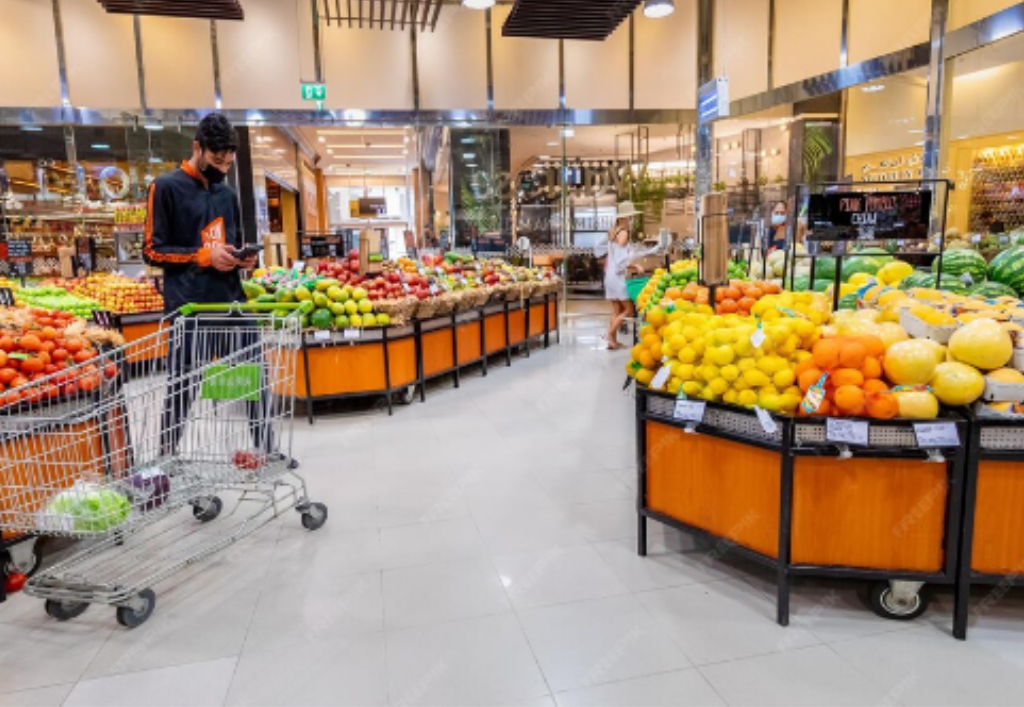
For most households, the challenge is not access but choice clarity. Families seek consistent value without sacrificing quality, expatriates look for familiar international products, and budget-conscious shoppers want protection from silent monthly overspending. This guide evaluates the best hypermarkets in Dubai through real-world shopping needs—pricing stability, product availability, accessibility, and shopper suitability—helping readers choose the hypermarket that aligns with their lifestyle, location, and budget.
How This Top 10 Hypermarkets in Dubai List Was Ranked
Creating a credible list of the top 10 hypermarkets in Dubai requires more than brand recognition or store size. Many hypermarkets appear similar on the surface, but their value proposition changes significantly depending on household size, budget sensitivity, product needs, and shopping frequency. This ranking was designed to reflect real-world usefulness, not marketing visibility.
The primary objective was to answer one practical question:
“Which hypermarket delivers the most value for a specific type of shopper in Dubai?”
To achieve this, each hypermarket was evaluated using five shopper-centric criteria that directly influence monthly grocery spend, convenience, and satisfaction.
1. Pricing Consistency and Value Retention
Rather than focusing on occasional discounts, this ranking prioritizes price stability over time. Hypermarkets that consistently price staples—such as rice, oil, dairy, cleaning products, and frozen foods—lower than competitors scored higher. Special attention was given to private-label pricing, as store brands significantly impact long-term household budgets.
Hypermarkets like Carrefour, LuLu Hypermarket, and Union Coop perform strongly here due to scale-driven procurement and controlled pricing structures.
2. Product Range Depth and Cultural Coverage
Dubai’s population requires access to international and region-specific groceries within a single shopping trip. Stores were assessed on their ability to stock:
- South Asian staples
- Middle Eastern fresh foods
- European and Western brands
- Asian condiments and frozen products
Hypermarkets that required fewer supplementary shopping trips ranked higher, as this directly supports time efficiency and basket consolidation.
3. Store Accessibility and Infrastructure
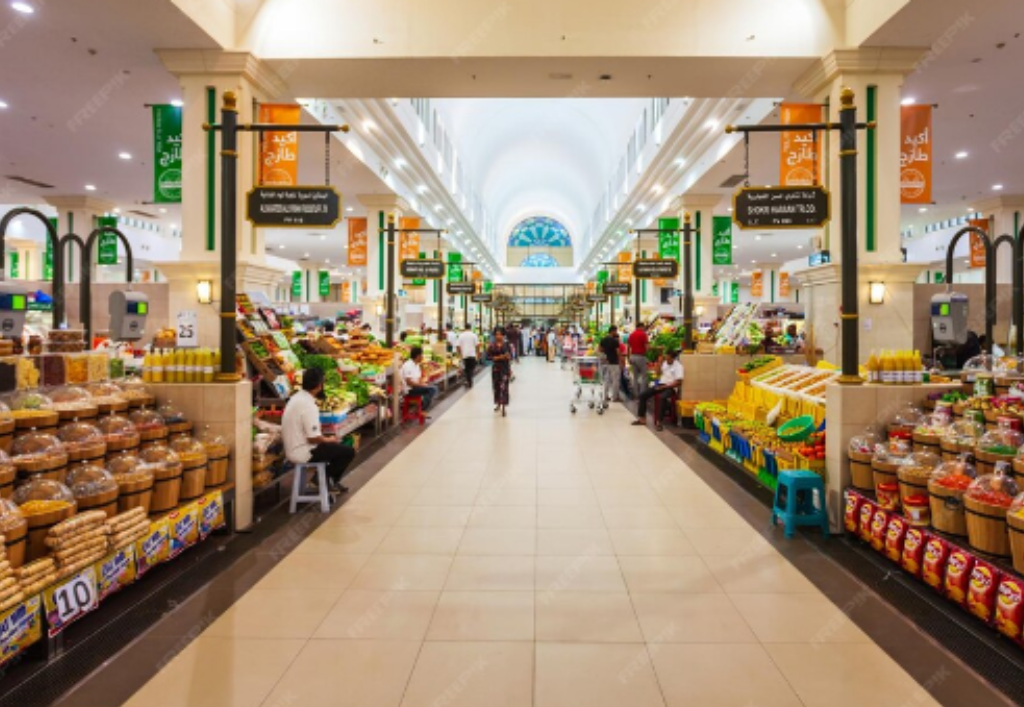
Accessibility in Dubai is defined less by walking distance and more by parking availability, location planning, and store layout efficiency. Hypermarkets located in malls or large community centers with easy parking and logical aisle design scored better than stores that created friction during peak hours.
Operating hours also played a role, especially for households managing non-traditional work schedules.
4. Shopper Suitability by Household Type
A hypermarket that works well for a single professional may not suit a family of five. Each store was evaluated based on how well it serves:
- families with children
- large or shared households
- budget-conscious shoppers
- premium or quality-focused buyers
This is why the list does not crown one universal “winner,” but instead assigns best-use positioning (best for bulk buying, best premium option, best value store, etc.).
5. Trust, Brand Reputation, and Consistency
In a city with constant population turnover, trust reduces decision fatigue. Hypermarkets with strong reputations for food safety, pricing transparency, and inventory reliability ranked higher. Cooperative and long-established brands naturally scored well in this category.
Top 10 Hypermarkets in Dubai
1. Carrefour Hypermarket – Best Overall Hypermarket in Dubai
Carrefour is widely regarded as the most balanced hypermarket in Dubai, offering a rare combination of competitive pricing, massive product variety, and strong store accessibility. Operated in the UAE by Majid Al Futtaim, Carrefour benefits from a highly optimized supply chain that allows it to keep prices stable across groceries, fresh produce, electronics, and household goods.
What makes Carrefour stand out is its private-label strategy. Carrefour-branded products often cost 15–30% less than international brands while maintaining acceptable quality, making it ideal for families managing monthly grocery budgets. The hypermarket also excels in international product availability, catering to European, Asian, Middle Eastern, and African tastes—an important factor in Dubai’s multicultural population.
Carrefour is best suited for
- families doing weekly or monthly grocery runs
- expats looking for familiar international brands
- shoppers who want both groceries and non-food items in one trip
Its only downside is crowding during peak hours, especially in mall-based locations.
2. LuLu Hypermarket – Best for Bulk Buying & Cultural Variety
LuLu Hypermarket is synonymous with bulk shopping and value-driven purchasing. Known for operating some of the largest hypermarkets in Dubai, LuLu is especially popular among large households and shoppers who prefer buying staples in quantity.
LuLu’s biggest strength lies in its ethnic and regional food selection. South Asian, Middle Eastern, African, and Southeast Asian grocery items are often better priced and more widely available here than in competing chains. Fresh produce sections are extensive, though presentation is more functional than premium.
LuLu is ideal for
- bulk grocery shoppers
- large families
- shoppers prioritizing price over store aesthetics
However, stores can feel overwhelming and crowded, particularly on weekends, and layouts are less intuitive for quick trips.
3. Union Coop – Most Trusted & Price-Regulated Hypermarket
Union Coop is a government-supported consumer cooperative, and that structure strongly influences its reputation. Pricing transparency, regulated promotions, and quality control make Union Coop one of the most trusted hypermarkets in Dubai, especially among local Emirati families.
Union Coop focuses on essential groceries and household items, rather than luxury or imported niche products. Discounts are frequent but controlled, which reassures shoppers concerned about price manipulation.
Union Coop is best for
- families seeking predictable pricing
- shoppers who value regulation and trust
- essential grocery shopping
Its limitation is a narrower international product range compared to Carrefour or Spinneys.
4. Spinneys – Best Premium Grocery Experience
Spinneys occupies the premium segment of Dubai’s grocery market. It is known for high-quality fresh produce, organic foods, and imported Western brands, especially British and European items.
Unlike budget hypermarkets, Spinneys prioritizes store experience: cleaner layouts, lower crowd density, and better customer service. Prices are noticeably higher, but many shoppers accept the premium for freshness and reliability.
Spinneys is best for
- professionals and smaller households
- shoppers prioritizing quality over price
- organic and imported food buyers
It is not ideal for bulk or budget shopping.
5. Choithrams – Best Neighborhood Hypermarket for Expats
Choithrams has built its reputation as a community-focused hypermarket, especially popular with expats. It combines neighborhood convenience with a strong selection of imported international brands, particularly from the UK, Europe, and Asia.
Choithrams stores are generally smaller than Carrefour or LuLu, but they excel at consistency and accessibility. Many locations are embedded within residential areas, making them suitable for frequent shopping.
Best for
- expats seeking familiar products
- nearby, reliable grocery shopping
- mid-range pricing with quality focus
6. Nesto Hypermarket – Best Value for Everyday Essentials
Nesto Hypermarket is designed around affordability. It focuses on essential groceries, household goods, and competitive promotions rather than aesthetics or premium presentation.
Nesto appeals strongly to price-sensitive families and shoppers who track monthly grocery expenses closely. While the range of imported or specialty products is limited, core staples are consistently affordable.
Best for
- strict grocery budgets
- large families
- value-driven shoppers
7. Al Maya Hypermarket – Reliable & Widely Accessible
Al Maya is one of Dubai’s longest-established supermarket chains, known for reliability rather than scale. It operates many neighborhood locations, some open 24 hours, making it highly convenient.
Al Maya’s strength lies in consistency and accessibility, though prices are typically mid-range and selection less extensive than hypermarket giants.
8. West Zone Supermarket – Best for Late-Night & Emergency Shopping
West Zone prioritizes convenience over variety. With many outlets open late or around the clock, it is often the go-to option for last-minute grocery needs.
It is not intended for monthly stock-ups but excels in urban accessibility.
9. Grandiose Supermarket – Best Modern, Experience-Driven Store
Grandiose represents a new generation of Dubai supermarkets, focusing on clean design, curated products, and a modern shopping experience. Prices are mid-to-high, but the environment is calm and well-organized.
Best for shoppers who dislike crowded hypermarkets.
10. Waitrose – Best British Premium Grocery Store
Waitrose caters primarily to shoppers seeking British products and premium private labels. It is less a hypermarket and more a high-end grocery destination.
Ideal for
- UK expats
- premium, quality-focused shopping
Why Hypermarkets Dominate Grocery Shopping in Dubai
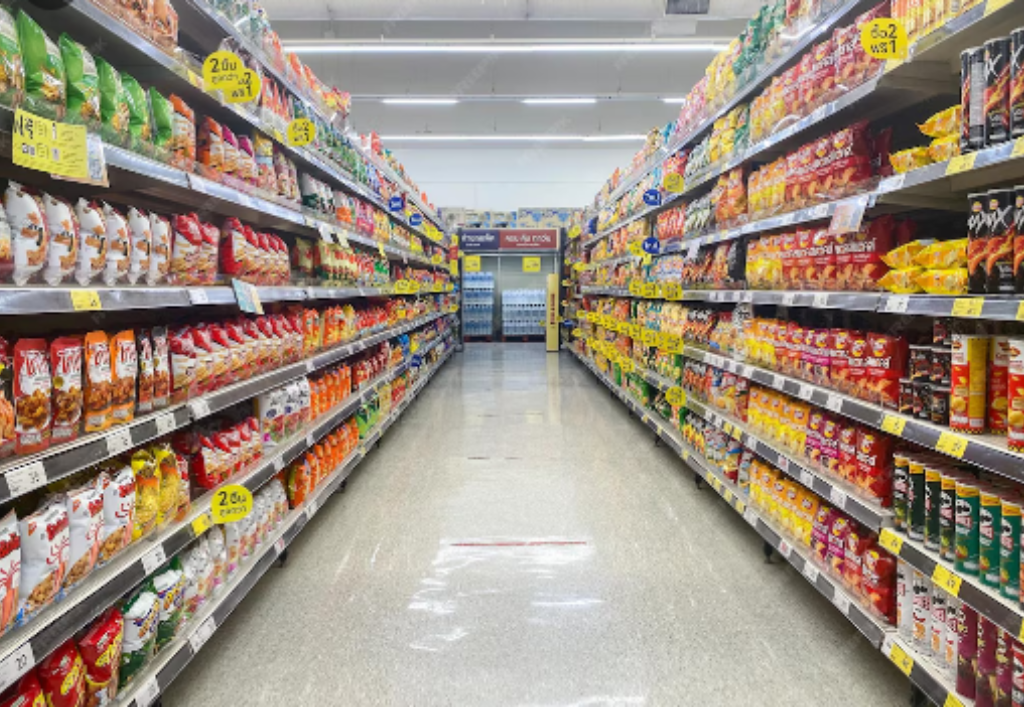
Hypermarkets dominate grocery shopping in Dubai because the city’s demographics, lifestyle patterns, and economic structure naturally favor large-scale, consolidated retail formats over small neighborhood stores. Dubai is a city built on mobility, planning, and efficiency. For most households, grocery shopping is not a daily routine but a scheduled weekly or monthly activity, making hypermarkets the most logical and cost-effective solution.
1. Expat-Dominated Population Drives Bulk Shopping Behavior
Dubai’s population is more than 85% expatriate, with families and professionals coming from Europe, South Asia, Southeast Asia, the Middle East, and Africa. This diversity creates demand for:
- international grocery brands
- culturally specific staples
- imported fresh produce
- halal and non-halal product separation
Hypermarkets such as Carrefour and LuLu Hypermarket are uniquely positioned to meet this demand because their supply chains are global, not local. Smaller supermarkets cannot economically stock the same breadth of international products, whereas hypermarkets benefit from scale-driven sourcing and warehousing efficiency.
As a result, consumers naturally gravitate toward hypermarkets where one trip satisfies multiple cultural and dietary needs.
2. Cost Efficiency and Price Stability Matter More Than Proximity
Unlike cities where walking-distance grocery shopping is common, Dubai’s urban design is car-centric. Most residents drive, which removes the advantage of corner shops and places value on basket efficiency rather than distance.
Hypermarkets dominate because they:
- offer lower per-unit prices through bulk procurement
- stabilize prices via private-label brands
- reduce total shopping trips per month
Retail studies in the GCC consistently show that households shopping primarily at hypermarkets spend 12–18% less annually on groceries compared to fragmented shopping across smaller stores. This cost predictability is critical in a city where rent, education, and healthcare already consume large portions of household income.
For families, the fear is not inconvenience—it is silent overspending, and hypermarkets directly address that concern.
3. One-Stop Shopping Fits Dubai’s Time-Constrained Lifestyle
Dubai’s workforce is time-poor and productivity-driven. Hypermarkets function as multi-category retail hubs, combining:
- groceries
- fresh meat and produce
- electronics
- household goods
- clothing and seasonal items
A single visit to a hypermarket replaces three or four separate shopping trips. This is especially valuable for:
- dual-income families
- large households
- residents living in high-density communities
This one-stop model explains why the largest hypermarkets in Dubai consistently outperform smaller supermarkets in footfall and basket size, even when pricing differences are minimal.
4. Trust, Regulation, and Brand Reputation Play a Major Role
Hypermarkets in Dubai benefit from high consumer trust, particularly chains like Union Coop, which operates under a cooperative and regulatory framework. Shoppers associate large hypermarkets with:
- transparent pricing
- food safety compliance
- consistent quality standards
In a city with constant population turnover, brand familiarity reduces decision fatigue. New residents often default to well-known hypermarkets because they signal reliability and compliance with UAE regulations.
5. Hypermarkets Align with Dubai’s Retail Infrastructure
Dubai’s malls, residential communities, and commercial zones are designed to host large retail anchors. Hypermarkets serve as traffic drivers within malls and community centers, reinforcing their dominance through accessibility, parking availability, and long operating hours.
In practical terms, Dubai is architecturally optimized for hypermarkets, not small grocery stores.
Dubai’s Unique Shopping Behavior and Consumer Demographics
Dubai’s grocery shopping patterns are shaped by a highly international population, structured work schedules, and household-scale consumption, all of which naturally favor hypermarkets over small supermarkets. With expatriates forming the overwhelming majority of residents, grocery demand in Dubai is not uniform—it is multi-cultural, multi-dietary, and multi-brand. A single household may require South Asian staples, Middle Eastern fresh produce, European dairy products, and East Asian condiments at the same time. Hypermarkets are the only retail format capable of supporting this level of simultaneous cultural demand efficiently.
From a behavioral standpoint, Dubai residents shop with planning intent, not impulse. Most households prefer weekly or monthly stock-up trips rather than daily shopping, driven by long working hours, school schedules, and car-based mobility. This behavior increases average basket size and makes store variety, pricing predictability, and inventory depth more important than proximity. Hypermarkets such as Carrefour and LuLu Hypermarket are structured around this reality, offering wide aisles, bulk packaging, and category clustering that supports high-volume purchasing.
Household composition also plays a major role. Dubai has a high concentration of:
- family households with children
- shared accommodations with multiple adults
- live-in domestic help managing household procurement
These dynamics push demand toward large pack sizes, wholesale pricing, and one-stop availability. Smaller supermarkets struggle to serve this need economically, while hypermarkets thrive by spreading operational costs across high-volume sales.
Another critical factor is trust formation among new residents. Dubai experiences constant population turnover, with new expats arriving every month. For newcomers, hypermarkets function as anchors of familiarity and safety. Recognizable brands, transparent pricing, clear labeling, and compliance with UAE food standards reduce uncertainty. This is why first-time residents often default to large hypermarkets even before exploring neighborhood stores.
In essence, Dubai’s consumer demographics do not merely prefer hypermarkets—they require them. The combination of cultural diversity, bulk-oriented purchasing, time efficiency, and trust-driven decision-making creates an environment where hypermarkets are not just convenient, but structurally essential to everyday life.
Hypermarkets vs Supermarkets in Dubai: What’s the Real Difference?
While the terms are often used interchangeably, hypermarkets and supermarkets serve very different roles in Dubai’s grocery ecosystem. Understanding this distinction helps shoppers avoid overpaying, wasting time, or choosing the wrong store format for their actual needs.
At a structural level, a hypermarket is designed for high-volume, multi-category shopping. Stores such as Carrefour, LuLu Hypermarket, and Union Coop combine groceries, fresh produce, meat, household items, electronics, clothing, and seasonal goods in one location. Their business model relies on large basket sizes, bulk packaging, and supply-chain scale, which allows them to offer lower per-unit prices and consistent availability. In Dubai, hypermarkets typically occupy mall anchor spaces or large community plots with ample parking, supporting weekly or monthly shopping trips.
A supermarket, by contrast, prioritizes convenience and proximity. Chains like neighborhood Spinneys, Choithrams outlets, or smaller Al Maya stores focus mainly on groceries and essentials, with limited non-food items. These stores are optimized for frequent, smaller purchases, such as midweek top-ups, fresh bread, or last-minute ingredients. While supermarkets often feel calmer and easier to navigate, they usually carry higher per-unit prices due to lower purchasing volumes and smaller storage capacity.
The difference becomes most visible in pricing and pack sizes. Hypermarkets dominate categories like rice, cooking oil, cleaning supplies, and frozen foods because bulk packaging dramatically reduces cost per unit. Supermarkets, on the other hand, offer smaller pack sizes that suit singles or couples but result in higher monthly spending for families. For households tracking expenses, this distinction alone can translate into hundreds of dirhams saved per month by shifting core purchases to hypermarkets.
Another key difference is product diversity. Dubai’s multicultural population requires access to international brands and region-specific staples. Hypermarkets can economically stock South Asian, Middle Eastern, European, African, and East Asian products simultaneously. Supermarkets must curate more tightly, often favoring premium or locally popular items. This makes hypermarkets the default choice for households with diverse dietary needs.
In practice, most Dubai residents use both formats strategically:
- Hypermarkets for planned, bulk grocery runs and household stock-ups
- Supermarkets for convenience shopping, fresh items, or time-sensitive needs
The dominance of hypermarkets in Dubai does not eliminate supermarkets—it redefines their role. Hypermarkets function as the city’s grocery backbone, while supermarkets operate as support systems for speed and proximity.
Comparison Table: Which Hypermarket Is Best for You?
| Hypermarket | Best For | Price Value | Product Variety | Fresh Produce Quality | Convenience & Accessibility | Why Choose It |
| Carrefour | Most shoppers overall | ⭐⭐⭐⭐ | ⭐⭐⭐⭐ | ⭐⭐⭐⭐ | ⭐⭐⭐⭐ | Balanced pricing, strong international brands, one-stop shopping |
| LuLu Hypermarket | Bulk buyers & large families | ⭐⭐⭐⭐ | ⭐⭐⭐⭐⭐ | ⭐⭐⭐⭐ | ⭐⭐⭐ | Great ethnic variety, best bulk deals |
| Union Coop | Price-sensitive & local families | ⭐⭐⭐⭐ | ⭐⭐⭐ | ⭐⭐⭐ | ⭐⭐⭐⭐ | Stable pricing, reliable essentials |
| Spinneys | Premium & quality-focused shoppers | ⭐⭐⭐ | ⭐⭐⭐⭐ | ⭐⭐⭐⭐ | ⭐⭐⭐⭐ | Premium fresh produce & imported goods |
| Choithrams | Expats & neighborhood shoppers | ⭐⭐⭐ | ⭐⭐⭐⭐ | ⭐⭐⭐⭐⭐ | ⭐⭐⭐⭐ | Familiar international products, cozy markets |
| Nesto Hypermarket | Everyday essentials on budget | ⭐⭐⭐⭐ | ⭐⭐⭐ | ⭐⭐⭐ | ⭐⭐⭐ | No-frills affordability |
| Al Maya Hypermarket | Accessibility & everyday comfort | ⭐⭐⭐⭐ | ⭐⭐⭐ | ⭐⭐⭐⭐ | ⭐⭐⭐⭐ | Easy access plus extended hours |
| West Zone Supermarket | Late-night & emergency shopping | ⭐⭐⭐ | ⭐⭐⭐ | ⭐⭐⭐ | ⭐⭐⭐⭐ | Great 24-hour convenience |
| Grandiose Supermarket | Modern experience seekers | ⭐⭐⭐ | ⭐⭐⭐⭐ | ⭐⭐⭐⭐ | ⭐⭐⭐ | Curated products & clean layout |
| Waitrose | Premium British grocery lovers | ⭐⭐ | ⭐⭐⭐ | ⭐⭐⭐⭐ | ⭐⭐⭐ | High-end imported British brands |
What Makes a Hypermarket Stand Out in Dubai?
This section explains the criteria that define a true hypermarket in Dubai, helping readers understand why certain stores make the top 10 list. It covers key factors such as store size, product range, pricing power, bulk-buying options, parking availability, and multi-category shopping. It also highlights how Dubai’s expat-driven, family-oriented population and car-centric lifestyle favor large, one-stop retail destinations over small supermarkets.
This section reassures readers that the list is based on real shopping value, not just brand popularity.
How to Choose the Best Hypermarket for Your Needs
This section helps readers self-select the right hypermarket based on lifestyle and budget. Instead of treating all hypermarkets as equal, it explains how different stores suit different shoppers:
- families vs single professionals
- bulk buyers vs quick shoppers
- budget-focused vs premium-focused households
It guides readers to match their shopping frequency, household size, and spending priorities with the right hypermarket, reducing confusion and decision fatigue.
FAQs
1. Which is the best hypermarket in Dubai overall?
The best hypermarket in Dubai overall is Carrefour, as it offers the most balanced combination of pricing, product variety, accessibility, and reliability. It suits the widest range of shoppers, including families, expatriates, and professionals, by providing international brands, affordable private-label options, and one-stop shopping across groceries and household items.
2. Which hypermarket in Dubai is the cheapest for groceries?
For budget-conscious shoppers, LuLu Hypermarket and Nesto Hypermarket are generally considered the cheapest options in Dubai. LuLu is especially effective for bulk purchases and culturally specific groceries, while Nesto focuses on low prices for everyday essentials, making both ideal for large households managing monthly grocery expenses.
3. Are hypermarkets cheaper than supermarkets in Dubai?
Yes, hypermarkets are usually cheaper than supermarkets in Dubai when it comes to monthly grocery shopping. Hypermarkets benefit from bulk procurement, larger pack sizes, and private-label products, which lower the cost per unit. Supermarkets are more convenient for small, frequent purchases but often result in higher overall spending for families.
4. Which hypermarket is best for families in Dubai?
Carrefour, LuLu Hypermarket, and Union Coop are the best hypermarkets for families in Dubai. Carrefour offers variety and convenience, LuLu provides excellent value for bulk buying, and Union Coop is trusted for stable, regulated pricing. Families often choose based on budget size, location, and shopping frequency.
5. Which hypermarket in Dubai is best for premium and imported products?
For premium and imported groceries, Spinneys and Waitrose are the top choices in Dubai. These stores focus on high-quality fresh produce, organic items, and imported Western brands. While prices are higher than standard hypermarkets, shoppers value the superior quality and calm shopping experience.
Conclusion
Hypermarkets dominate grocery shopping in Dubai because they align perfectly with the city’s lifestyle, demographics, and spending patterns. In a fast-paced, expatriate-driven environment where households shop weekly or monthly rather than daily, large hypermarkets provide the scale, pricing efficiency, and product diversity that smaller supermarkets cannot consistently match.
The top 10 hypermarkets in Dubai—from Carrefour and LuLu Hypermarket to Union Coop, Spinneys, and Choithrams—do not compete on size alone. Each serves a distinct shopper need: bulk savings, price stability, premium quality, neighborhood convenience, or late-night accessibility. Understanding these differences is the key to reducing grocery costs, saving time, and avoiding unnecessary shopping trips.
Rather than searching for a single “best” option, shoppers benefit most by choosing the hypermarket that fits their household size, budget sensitivity, location, and shopping frequency. When selected intentionally, the right hypermarket becomes more than a place to buy groceries—it becomes a long-term efficiency system that simplifies everyday life in Dubai.
 By, velthangam s
 - December 15, 2025
- 1576
- Shopping & Malls
- 0 comment
 Chat for Paid Ads